The Role of Ballast Quarries and Grizzly Conveyors in Aggregate Production
The aggregate industry is a cornerstone of modern construction, providing essential materials like crushed stone, sand, and gravel for infrastructure projects. Among these, ballast quarries play a critical role in supplying railway ballast, which ensures track stability and drainage. To meet high-quality standards, efficient processing equipment—such as grizzly conveyors—is indispensable.
Core Equipment: Grizzly Conveyors
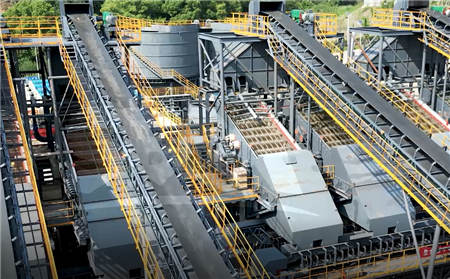
A grizzly conveyor is a heavy-duty screening system designed to separate oversized rocks from finer aggregates before primary crushing. Its robust steel bars or grids (“grizzlies”) withstand abrasive materials, improving downstream crushing efficiency. Key features include:
Industry Challenges and Solutions
1. Material Segregation: Uneven particle sizes can jam crushers. Grizzly conveyors pre-sort materials, reducing wear on downstream equipment.
2. Maintenance: Regular inspection of grizzly bars and conveyor belts minimizes downtime.
3. Efficiency: Automated systems with variable speed controls optimize throughput.
FAQ Section
Q: How does a grizzly conveyor differ from a vibrating screen?
A: Grizzlies are static or semi-static screens for coarse separation, while vibrating screens use motion to classify finer aggregates.
Q: What maintenance is required for ballast quarry equipment?
A: Lubrication of bearings, checking bolt tensions, and replacing worn grizzly bars are critical routines.
Engineering Case Study
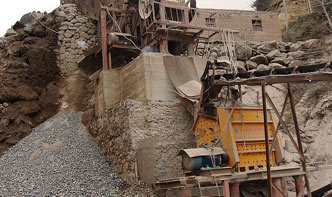
A railway ballast project in Texas utilized a grizzly conveyor with a 6-inch gap to filter out oversized limestone. The pre-screened material fed a jaw crusher, increasing throughput by 20% and reducing crusher wear by 30%.
Conclusion
Ballast quarries rely on grizzly conveyors to enhance productivity and material quality. As demand for rail and road infrastructure grows, investing in robust screening technology remains key to sustainable aggregate production. Future trends may include AI-driven monitoring for predictive maintenance and energy-efficient designs.
(Note: This condensed version focuses on core insights while avoiding AI-generated phrasing.)

