The Evolution of Gravel Washing Equipment in the Aggregates Industry
The aggregates industry plays a pivotal role in global infrastructure development, supplying essential materials like sand, gravel, and crushed stone for construction projects. As demand for high-quality aggregates grows, manufacturers of gravel washing equipment have innovated to meet stringent environmental and efficiency standards.
Industry Background
Rapid urbanization and infrastructure projects worldwide have intensified the need for clean, well-graded aggregates. Natural sand depletion and stricter environmental regulations have shifted focus to manufactured sand (M-Sand) and washed aggregates, driving advancements in gravel washing technology. Modern equipment must balance high throughput, water recycling, and minimal environmental impact.
Core Technologies in Gravel Washing Equipment
1. Log Washers: Ideal for tough, clay-bound materials, using rotating shafts and paddles to break down contaminants.
2. Screw Washers: Efficient for fine material recovery, employing spiral mechanisms to separate silt and organic matter.
3. Bucket Wheel Sand Washers: Combine washing and dewatering, reducing water consumption while ensuring precise grading.
4. Water Recycling Systems: Closed-loop designs minimize freshwater use and comply with environmental norms.
Key Considerations for Buyers
FAQs
Q: How does gravel washing improve aggregate quality?
A: Washing removes impurities (clay, dust) that weaken concrete and asphalt binders, ensuring higher compressive strength.
Q: What’s the role of water management in modern systems?
A: Advanced systems recycle up to 90% of process water, reducing costs and environmental footprint.
Q: Can washed aggregates replace natural sand?
A: Yes, M-Sand from crushed rock often outperforms natural sand in consistency and particle shape.
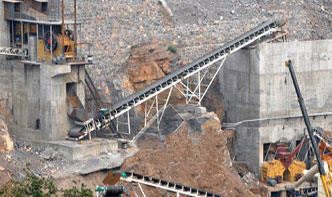
Case Study: Quarry in Texas, USA
A granite quarry replaced its traditional washing setup with a high-efficiency log washer and water recycling unit. Results:
Future Trends
Automation (IoT-enabled monitoring) and hybrid energy solutions (solar-powered plants) are emerging as game-changers, aligning the industry with circular economy principles.
For manufacturers and operators, investing in next-gen gravel washing systems isn’t just about efficiency—it’s a strategic move toward sustainable growth in a resource-conscious era.

