Grinding of Copper Ore: Equipment and Industry Insights
The mining and processing of copper ore are critical to global industries, from electronics to construction. Grinding, a key step in copper ore beneficiation, reduces particle size to liberate valuable minerals for further concentration. The grinding process typically involves crushers, SAG mills, ball mills, and classifiers, each playing a vital role in optimizing recovery rates and minimizing energy consumption.
Core Equipment in Copper Ore Grinding
1. Primary Crushers: Jaw or gyratory crushers break large ore chunks into smaller fragments (≤200 mm).
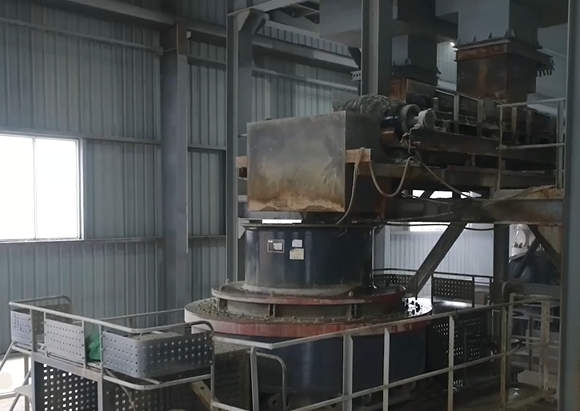
2. SAG/Ball Mills: Semi-autogenous grinding (SAG) mills and ball mills further reduce ore to fine particles (often ≤100 microns). High-pressure grinding rolls (HPGR) are gaining traction for energy efficiency.
3. Classification: Hydrocyclones or screens separate fine particles, ensuring optimal grind size for flotation.
Industry Challenges & Solutions

FAQs
Q: What’s the ideal grind size for copper flotation?
A: Typically 80% passing 150–200 microns, but varies by ore type (e.g., porphyry vs. sulfide ores).
Q: How to reduce overgrinding?
A: Optimize classifier settings and adopt staged grinding-flotation circuits.
Engineering Case
A Chilean copper mine upgraded its circuit with HPGR, cutting energy use by 20% and improving recovery by 3%. The system integrated advanced automation for real-time particle size control.
Future Trends
The copper grinding sector continues evolving, balancing operational efficiency with environmental stewardship. Innovations in equipment and process design remain pivotal to meeting rising global demand.

