The Role of Jaw Crushers in Cedar Rapids, Iowa’s Aggregate Industry
The aggregate industry is a cornerstone of infrastructure development, providing essential materials like crushed stone, sand, and gravel for construction projects. In Cedar Rapids, Iowa, a key player in this sector is the jaw crusher—a robust machine designed to break down large rocks into smaller, manageable sizes for further processing.
Industry Background
Cedar Rapids, strategically located near major transportation routes, is a hub for quarrying and mineral processing. The demand for high-quality aggregates in road construction, concrete production, and landscaping drives the need for efficient crushing equipment. Jaw crushers, known for their durability and versatility, are often the first stage in rock reduction, making them indispensable in local operations.
Core Features of Jaw Crushers
Modern jaw crushers, such as those used in Cedar Rapids, incorporate advanced engineering to maximize productivity:
Common FAQs
1. What types of rock are suitable for jaw crushers?
Jaw crushers excel at processing hard, abrasive materials like granite, basalt, and quartzite, common in Iowa’s geology.
2. How does a jaw crusher differ from other crushers?
Unlike cone or impact crushers, jaw crushers use compression forces and are ideal for primary crushing due to their high reduction ratios.
3. What maintenance is required?
Regular lubrication, jaw plate inspections, and monitoring of belt tension are essential to prolong equipment life.
Engineering Case Study
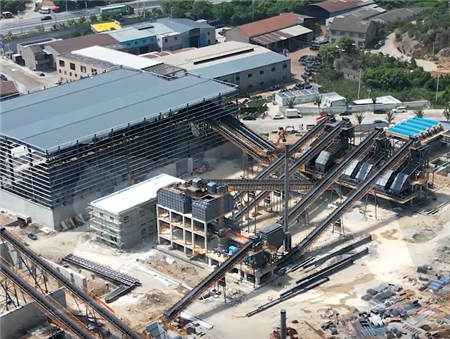
A Cedar Rapids quarry recently upgraded to a ® C Series jaw crusher, achieving a 20% increase in throughput. The project highlighted the machine’s ability to handle fluctuating feed sizes while maintaining consistent output—key for meeting tight construction deadlines.
Conclusion
Jaw crushers remain a vital asset in Cedar Rapids’ aggregate industry, balancing performance and reliability. As infrastructure demands grow, advancements in crushing technology will continue to shape the region’s economic and industrial landscape. For operators, investing in the right equipment ensures long-term efficiency and competitiveness.

