The Comprehensive Guide to Crushing and Sand-Making Equipment in the Aggregates Industry
Industry Background
The global demand for high-quality aggregates—crushed stone, sand, and gravel—is driven by infrastructure development, urbanization, and construction projects. As natural sand reserves deplete due to environmental regulations, manufactured sand (M-Sand) produced by crushing and sand-making equipment has become a sustainable alternative. The aggregates industry relies on efficient crushing, screening, and shaping technologies to meet stringent quality standards.
Core Equipment and Processes
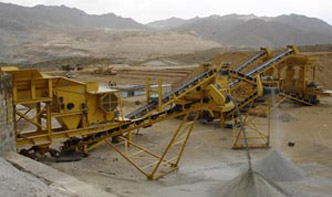
1. Primary Crushing: Jaw crushers or gyratory crushers break large rocks into smaller fragments (150–300 mm).
2. Secondary/Tertiary Crushing: Cone crushers or impact crushers further reduce material size (20–50 mm) for finer gradation.
3. Sand-Making: Vertical Shaft Impact (VSI) crushers use high-speed rotor systems to shape particles into cubical M-Sand, ideal for concrete and asphalt.
4. Screening and Washing: Vibrating screens classify aggregates by size, while sand washers remove impurities like clay and dust.
Key Advantages of Modern Equipment
Common FAQs
1. What is the difference between natural and manufactured sand?
M-Sand has better shape, fewer impurities, and consistent gradation compared to irregular natural sand.
2. How to reduce wear in crushers?
Use high-quality wear-resistant liners and maintain proper feed size distribution.
3. What are the energy-saving options?
Variable frequency drives (VFDs) and hybrid power systems can cut energy consumption by 15–20%.
Engineering Case Study
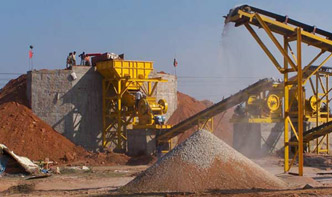
A quarry in Texas upgraded to a VSI crusher and screening plant, increasing sand production by 30% while reducing oversize waste. The system’s closed-loop design reduced water consumption by 50%, meeting local environmental compliance.
Conclusion
Investing in advanced crushing and sand-making equipment ensures high-quality aggregates, operational efficiency, and compliance with sustainability goals. As technology evolves, the industry continues to prioritize innovation to meet growing demand.

