The Environmental Impacts of Garnet Mining and the Role of Crushing Equipment in Sustainable Aggregate Production
Industry Background
The garnet mining industry plays a crucial role in supplying abrasive materials for waterjet cutting, sandblasting, and filtration. However, like all mining activities, garnet extraction can have significant environmental consequences, including habitat disruption, water pollution, and soil erosion. To mitigate these effects, the aggregate sector has increasingly adopted advanced crushing and sand-making equipment to optimize resource utilization and reduce waste.
Core Solutions: Crushing and Sand-Making Technology
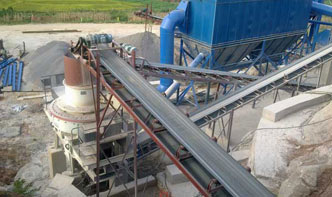
Modern crushing equipment, such as jaw crushers, cone crushers, and vertical shaft impactors (VSIs), is designed to process garnet and other hard minerals efficiently. Key features include:
FAQ Section
1. How does garnet mining affect local ecosystems?
Open-pit mining can disrupt habitats, but responsible operators implement land rehabilitation and buffer zones.
2. Can crushed garnet be reused?
Yes, garnet sand is often recycled in abrasive applications, reducing the need for new mining.
3. What equipment is best for garnet processing?
Cone crushers and VSIs are ideal for achieving uniform particle sizes with low overgrinding.
Engineering Case Study
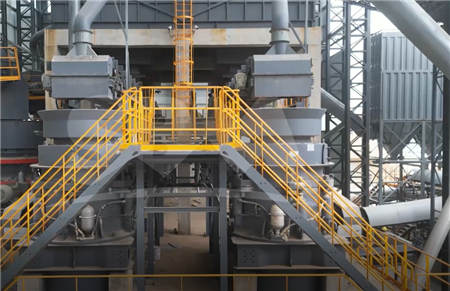
A garnet mining project in Australia integrated a mobile crushing plant with a three-stage crushing system (jaw crusher + cone crusher + VSI) to produce high-purity abrasive sand. By adopting dry processing and dust collectors, the operation reduced water use by 40% and achieved zero wastewater discharge.
Conclusion
While garnet mining poses environmental challenges, advancements in crushing technology and sustainable practices are helping the industry balance productivity with ecological responsibility. Investing in efficient equipment and waste-reduction strategies is key to long-term viability.

