The Evolution of Crushing and Screening Equipment in the Aggregates Industry
The aggregates industry has long been the backbone of infrastructure development, providing essential materials like sand, gravel, and crushed stone for construction, roads, and concrete production. Historically, mining operations relied on rudimentary tools, including iron balls in ball mills, to break down raw materials. Today, advanced crushing and screening equipment has revolutionized the sector, delivering higher efficiency, precision, and sustainability.
Core Technologies in Modern Crushing Systems
Modern crushing plants incorporate jaw crushers, cone crushers, impact crushers, and vertical shaft impactors (VSIs) to produce high-quality aggregates. These machines replace traditional methods like ball mills, offering:
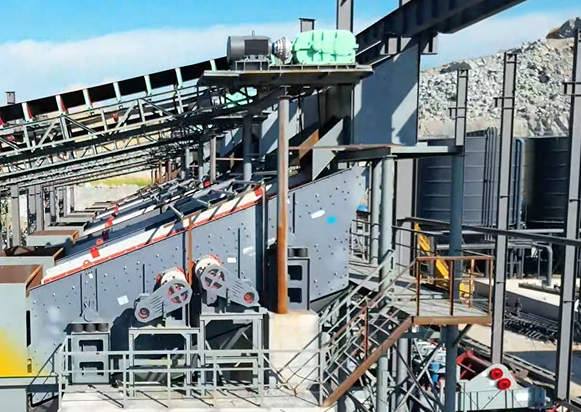
Screening equipment, such as vibrating screens and trommels, ensures precise gradation, separating fines from coarser materials. Wet processing systems further refine sand by removing impurities, a critical step for high-spec applications.
FAQs in the Aggregates Sector
1. What’s the difference between jaw and cone crushers?
– Jaw crushers are primary crushers for coarse crushing, while cone crushers handle secondary/tertiary stages for finer output.
2. How to minimize wear in crushing equipment?
– Regular maintenance, proper feed size control, and using wear-resistant liners extend machinery life.
3. Can recycled materials be processed?
– Yes, modern plants often integrate recycled concrete and asphalt into aggregate production.
Engineering Case Study: Quarry Optimization
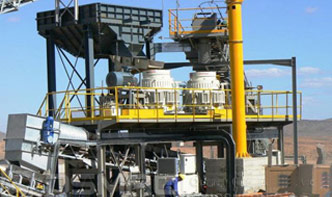
A limestone quarry in Texas upgraded to a three-stage crushing system (jaw + cone + VSI), increasing production by 35% while reducing energy consumption. Automated screening reduced manual sorting, ensuring consistent gradation for road base materials.
Conclusion
From iron balls to AI-driven crushing systems, the aggregates industry continues to innovate. Investing in advanced technology not only boosts productivity but also aligns with global sustainability goals, ensuring a steady supply of high-quality materials for future infrastructure.

