Copper Ore Beneficiation Plant Layout and Key Processes
The copper ore beneficiation process is critical for extracting high-grade copper concentrate from low-grade ores. A well-designed plant layout ensures efficiency, cost-effectiveness, and minimal environmental impact. Below is an overview of the typical layout and processes involved.
Copper is a vital metal used in electrical wiring, construction, and industrial machinery. As high-grade copper deposits deplete, beneficiation of low-grade ores becomes essential. The process involves crushing, grinding, flotation, and dehydration to produce marketable copper concentrate.
A standard copper ore beneficiation plant includes:
Q1: What is the role of reagents in flotation?
A: Reagents like xanthates (collectors) and frothers enhance mineral separation by making copper particles hydrophobic.
Q2: How is water recycled in the plant?
A: Thickeners and settling ponds allow water reuse, minimizing freshwater consumption.
Q3: What are common challenges in copper beneficiation?
A: High energy consumption, tailings disposal, and fluctuating ore grades are key concerns.
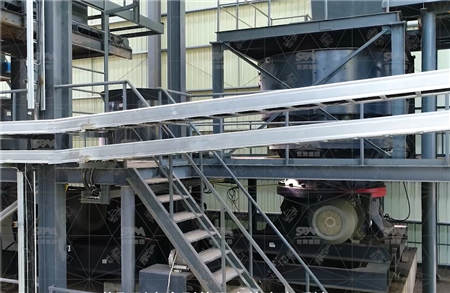
A copper plant in Chile upgraded its grinding circuit with high-pressure grinding rolls (HPGR), improving energy efficiency by 20% and increasing concentrate recovery by 3%.
An optimized copper ore beneficiation plant balances cost, recovery, and sustainability. Advances in crushing, flotation, and tailings management continue to drive industry growth.

