Crushing and Sand-Making Equipment in the Aggregates Industry
The aggregates industry is a cornerstone of infrastructure development, providing essential materials for construction, roads, and concrete production. Central to this sector are crushing and sand-making plants, which transform raw stone into high-quality aggregates and manufactured sand.
Core Equipment and Processes
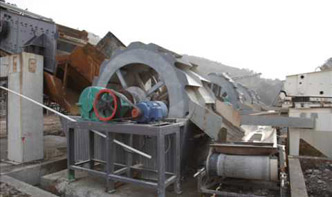
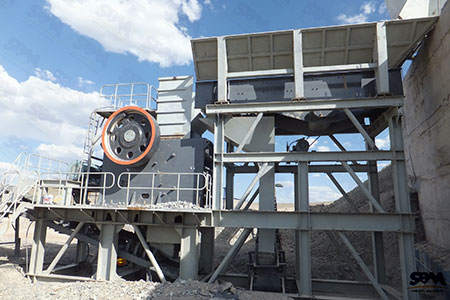
A typical crushing plant includes primary crushers (e.g., jaw crushers), secondary/tertiary crushers (cone or impact crushers), and sand-making machines (VSI or HSI crushers). Screening systems and conveyors ensure efficient material flow. The one-line diagram (.dwg format) is a critical engineering document, outlining electrical and control systems for seamless plant operation.
Key Advantages
Modern plants prioritize automation, energy efficiency, and dust suppression. High-performance crushers reduce downtime, while modular designs enable scalability. Manufactured sand, a sustainable alternative to natural sand, meets strict gradation standards for concrete mixes.
FAQ Section
1. What’s the difference between VSI and HSI crushers?
VSI crushers excel in producing cubical sand, while HSI crushers are ideal for softer materials.
2. How to mitigate dust in crushing plants?
Use enclosed conveyors, water sprays, and baghouse filters.
3. What’s the typical lifespan of wear parts?
Depending on abrasiveness, jaw plates last 3–6 months; cone crusher liners 4–8 weeks.
Case Study: Limestone Quarry in Texas
A 500 TPH plant integrated a primary jaw crusher, secondary cone crusher, and VSI for sand production. Automation reduced labor costs by 30%, and dust control systems ensured compliance with EPA standards.
Conclusion
Innovations in crushing technology continue to drive sustainability and efficiency in the aggregates sector. From design (evident in detailed .dwg diagrams) to operational best practices, optimizing these systems is key to meeting global construction demands.

