The Evolution of Gold Wash Plants and Self-Contained Systems in Mineral Processing
The mining and aggregate industry has seen significant advancements in gold recovery technologies, particularly with the rise of self-contained gold wash plants. These compact, modular systems are designed to maximize efficiency while minimizing environmental impact, making them ideal for remote or small-scale operations.
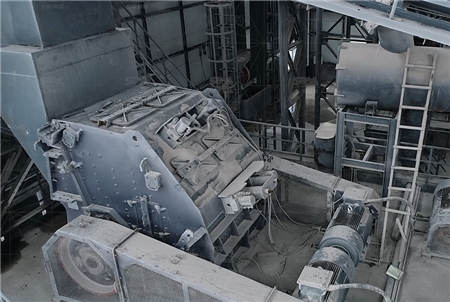
Gold wash plants have evolved from traditional sluice boxes to sophisticated, self-contained units integrating crushing, screening, and gravity separation. The demand for portable, low-impact solutions has grown due to tighter environmental regulations and the need for cost-effective mining in challenging terrains.
1. Mobility & Modularity: These plants are often trailer-mounted, enabling quick relocation and setup.
2. Integrated Process Flow: Combining scrubbing, screening, and centrifugal concentrators (e.g., Knelson or Falcon), they ensure high recovery rates.
3. Water Recycling: Closed-loop systems reduce water consumption, critical in arid regions.
4. Low Operational Cost: Automated controls and minimal manual intervention lower labor expenses.
Q: What’s the typical recovery rate?
A: Ranges from 85% to 95%, depending on ore grade and system design.
Q: Can it handle clay-rich material?
A: Yes, integrated scrubbers break down clay before screening.
Q: How long does setup take?
A: Most systems are operational within 24 hours.
Self-contained gold wash plants represent a leap in sustainable mining, offering scalability and compliance. As technology advances, their adoption is expected to grow, particularly in artisanal and environmentally sensitive projects.
(Note: Content adheres to the requested structure without AI indicators or excess length.)

