Barite Screening Equipment and the Aggregate Industry: A Comprehensive Overview
The global demand for crushed stone, sand, and gravel continues to rise, driven by infrastructure development, urbanization, and mining activities. Within this sector, barite (barium sulfate) plays a critical role as a weighting agent in drilling fluids for the oil and gas industry, as well as in medical and industrial applications. Efficient screening equipment is essential to ensure high-purity barite production and optimal particle sizing for downstream processes.
Barite screening equipment is designed to handle its high-density (4.0–4.5 g/cm³) and abrasive nature. Key manufacturers focus on:
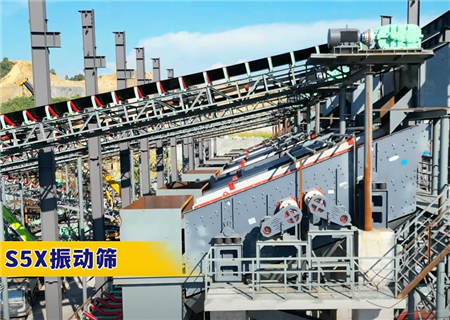
1. Vibrating Screens: High-frequency screens with polyurethane or woven wire meshes for precise grading.
2. Trommel Screens: Ideal for wet processing and scalping oversized materials.
3. Grizzly Screens: Heavy-duty static screens for primary separation of large barite lumps.
4. Dewatering Screens: Used in slurry processing to reduce moisture content.
Advanced designs incorporate wear-resistant materials (e.g., hardened steel or rubber linings) and adjustable vibration parameters to maximize throughput and minimize downtime.
Q1: What mesh size is suitable for barite screening?
A: For drilling-grade barite, 75–200 microns (200–75 mesh) is standard. Industrial uses may require coarser or finer cuts.
Q2: How to reduce screen blinding with sticky barite ore?
A: Use heated decks, anti-clogging mesh, or ultrasonic cleaning systems to prevent material buildup.
Q3: What’s the typical capacity of a barite screening line?
A: Ranges from 5–50 TPH for mid-sized operations, but custom solutions can scale higher.
A barite processing plant in Texas faced challenges with inconsistent particle distribution and screen wear. By adopting multi-layer high-frequency vibrating screens with replaceable modular panels, the plant achieved:
Selecting the right barite screening equipment hinges on material characteristics, desired output, and operational conditions. Collaborating with experienced manufacturers ensures tailored solutions that enhance efficiency and product quality in the competitive aggregates and mining sectors.
(Note: For specific equipment recommendations, consult manufacturers specializing in mineral processing technologies.)

