Limestone Crushers in the USA: Key Applications and Industry Insights
The USA’s construction and infrastructure sectors heavily rely on limestone as a primary raw material for cement, concrete, and road base layers. Limestone crushers play a pivotal role in processing this abundant sedimentary rock into usable aggregates. This article explores the types of crushers employed, their applications, and industry trends.
Limestone is a versatile material, valued for its durability and chemical properties. In the USA, states like Texas, Indiana, and Florida are major producers. The material is crushed into various sizes for:
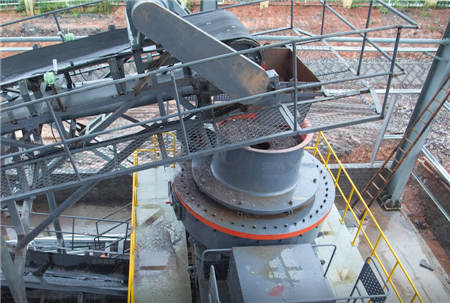
1. Jaw Crushers: Ideal for primary crushing, handling large chunks with high reduction ratios.
2. Impact Crushers: Suited for medium-hardness limestone, producing cubical aggregates for concrete.
3. Cone Crushers: Used for secondary/tertiary crushing, ensuring finer particle sizes.
4. Hammer Crushers: Efficient for soft limestone but may generate more fines.
Q: What maintenance do limestone crushers require?
A: Regular lubrication, wear-part replacement (e.g., liners, hammers), and monitoring of vibration levels.
Q: How does moisture affect crushing efficiency?
A: High moisture can cause clogging; pre-drying or selecting impact crushers may help.
Q: Are mobile crushers viable for limestone?
A: Yes, mobile jaw/impact crushers are popular for on-site crushing in quarries.
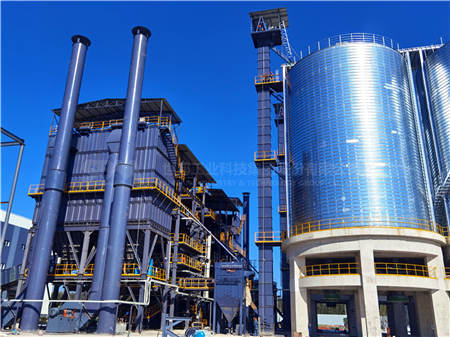
A Texas-based quarry upgraded to a multi-stage crushing plant (jaw + cone crushers) to produce 500 TPH of high-quality limestone aggregates. The setup reduced downtime by 30% and improved product consistency for road construction projects.
Limestone crushers are indispensable in the USA’s construction and industrial sectors. Choosing the right crusher—based on material properties and project demands—ensures cost-effective and sustainable aggregate production. Advances in automation and wear-resistant materials continue to drive efficiency in this critical industry.

