Mining Methods at Kromdraai and Their Relevance to the Aggregate Industry
The Kromdraai mining area, located in South Africa, is renowned for its rich deposits of gold and other minerals. However, the mining techniques employed here also hold valuable lessons for the aggregate and sand production industry. This article explores how modern crushing and screening equipment can optimize operations in similar geological settings.
The global demand for high-quality sand and aggregates continues to rise, driven by infrastructure development and urbanization. Traditional mining methods, such as those used at Kromdraai, often involve blasting and mechanical extraction, which can be adapted for aggregate production. The key lies in selecting the right crushing and screening equipment to process raw materials efficiently while minimizing environmental impact.
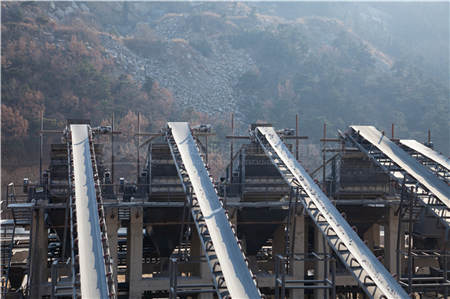
1. Primary Crushers: Jaw crushers are ideal for breaking down large rocks extracted from mining sites like Kromdraai. Their robust design handles hard materials with ease.
2. Secondary Crushers: Cone crushers or impact crushers further reduce particle size, ensuring uniformity for construction applications.
3. Screening Systems: Vibrating screens separate aggregates by size, critical for meeting industry specifications.
4. Sand Making Machines: Vertical shaft impactors (VSIs) produce finely graded sand, a byproduct often overlooked in traditional mining but highly valuable in construction.
Q: How does Kromdraai’s geology influence equipment choice?
A: The hard rock formations require durable crushers with high wear resistance, such as those with manganese steel liners.
Q: Can recycled materials be processed in these systems?
A: Yes, modern crushers can handle recycled concrete and demolition waste, aligning with sustainable practices.
Q: What are the energy consumption considerations?
A: Hybrid or electric-powered crushing plants are gaining traction to reduce operational costs and carbon footprint.
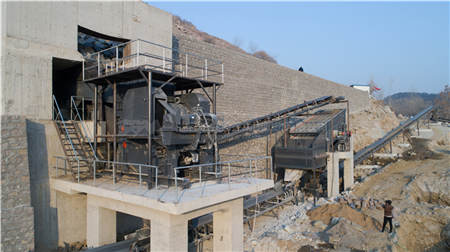
A project near Kromdraai repurposed an old mining site for aggregate production. By integrating a three-stage crushing system (jaw crusher, cone crusher, and VSI), the operation achieved a 30% increase in output while reducing waste. The screened aggregates met local road construction standards, demonstrating the viability of adapting mining infrastructure for aggregate purposes.
The lessons from Kromdraai highlight the importance of tailored crushing solutions in the aggregate industry. By leveraging advanced equipment, operators can transform raw materials into high-value products efficiently. As demand grows, the integration of sustainable practices and innovative technology will define the future of sand and aggregate production.