Crushing Plant Conveyor Setups: Optimizing Efficiency in Aggregate Production
The aggregates and sand production industry is the backbone of construction and infrastructure development. Crushing plants play a pivotal role in processing raw materials like limestone, granite, and river gravel into high-quality aggregates. A well-designed conveyor system is critical for seamless material flow, reducing downtime, and maximizing productivity.
Core Components of Conveyor Systems
1. Feeders: Ensure controlled material entry into crushers (e.g., vibrating grizzlies or apron feeders).
2. Primary Conveyors: Transport raw materials from dump hoppers to primary crushers (jaw or gyratory).
3. Secondary/Tertiary Conveyors: Transfer crushed materials to screens or additional crushers for further sizing.
4. Stockpile Conveyors: Distribute finished products to storage piles or loading areas.
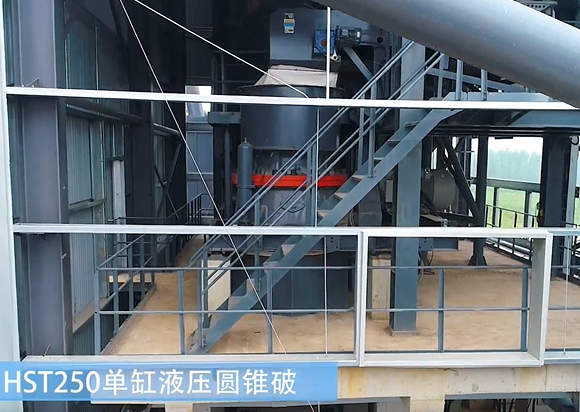
Key design considerations include belt width, speed, incline angles, and dust suppression to minimize environmental impact.
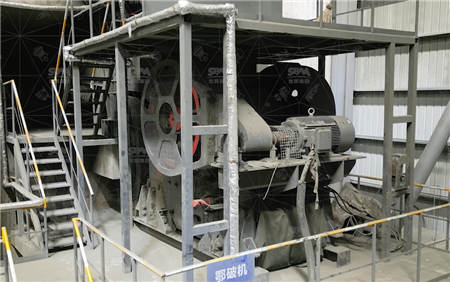
FAQs in Conveyor Setup
Use skirt boards, impact beds, and proper belt tracking systems.
Regular inspections of rollers, belts, and motors, coupled with automated wear monitoring.
Opt for self-cleaning belts or scrape cleaners to reduce buildup.
Case Study: Quarry Expansion in Texas
A granite quarry upgraded its conveyor system to include radial stackers and hybrid energy-efficient drives, reducing fuel consumption by 15% and increasing throughput by 20%. The solution featured modular conveyors for easy relocation during phased expansion.
Conclusion
Investing in optimized conveyor setups enhances crushing plant efficiency, lowers operational costs, and ensures consistent product quality. Customized solutions tailored to material properties and site conditions are essential for long-term success.
(Note: Industry specifics may vary; consult engineering experts for project-specific designs.)

