Stone Crusher Plant Prices in India: A Comprehensive Guide
India’s construction and infrastructure sectors are expanding rapidly, driving demand for crushed stone and sand. Stone crusher plants play a pivotal role in producing aggregates for roads, buildings, and concrete. With varying project scales and material requirements, selecting the right crushing equipment—jaw crushers, cone crushers, VSI (Vertical Shaft Impactors), or mobile crushers—is critical for cost-efficiency and productivity.
1. Equipment Type & Capacity
– Small portable plants (50-100 TPH) start around $50,000–$100,000, while large stationary setups (200+ TPH) may exceed $500,000.
– Mobile crushers cost 20–30% more due to added flexibility.
2. Raw Material & Output Size
– Harder rocks (granite, basalt) require robust machinery, increasing costs.
– Fine sand production needs additional VSI crushers or sand washers.
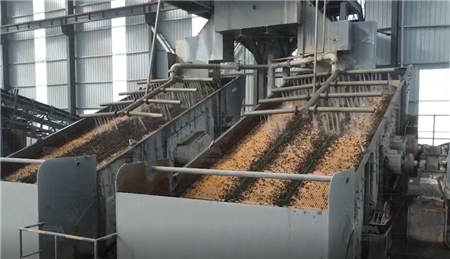
3. Brand & Technology
– Premium brands (, ) offer higher efficiency but at a 15–25% price premium over local manufacturers.
4. Location & Logistics
– Remote sites incur extra transportation and installation expenses.
Q1: What’s the average lifespan of a stone crusher plant?
A: Well-maintained plants last 15–20 years. Regular wear-part replacement (e.g., jaw plates, liners) is essential.
Q2: Are used crushers a viable option?
A: Yes, but inspect critical components like bearings and motors. Used plants cost 30–50% less but may have higher maintenance needs.
Q3: How to reduce operating costs?
A: Opt for energy-efficient motors, automate feeding systems, and recycle water in sand washing units.
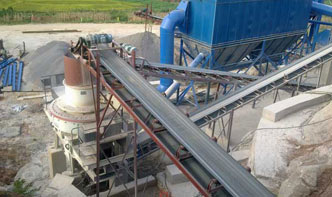
A 150-TPH plant in Rajasthan (equipped with a jaw crusher, cone crusher, and VSI) achieved a 25% cost saving by:
Investing in a stone crusher plant requires balancing upfront costs with long-term operational efficiency. Partner with reputable suppliers, prioritize after-sales support, and tailor the plant design to your specific material and output goals.
(Note: Prices are approximate and subject to market fluctuations.)

