Bulk Density of Iron Ore After Crushing in the Aggregate and Mineral Processing Industry
The mining and aggregate sectors rely heavily on efficient crushing and screening processes to produce high-quality materials for construction, steel production, and industrial applications. Iron ore, a critical raw material, undergoes crushing to optimize its bulk density—a key parameter affecting transportation, storage, and downstream processing. Understanding bulk density variations post-crushing helps in designing efficient material handling systems.
Bulk density refers to the mass per unit volume of loosely packed material. For iron ore, this property changes significantly after crushing due to particle size distribution, porosity, and compaction.
1. Particle Size & Shape
– Larger, irregularly shaped particles result in lower bulk density due to increased void spaces.
– Fine, uniformly crushed ore achieves higher bulk density by reducing interstitial gaps.
2. Moisture Content
– Wet processing may increase bulk density temporarily but can lead to handling issues like clogging.
3. Crushing Equipment Impact
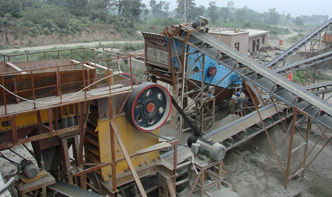
– Jaw crushers produce coarser fragments, yielding lower bulk density.
– Cone crushers and vertical shaft impactors (VSIs) generate more cubical particles, enhancing compaction.
Q1: How does bulk density affect iron ore processing?
A: Higher bulk density reduces transport costs and improves blast furnace efficiency.
Q2: Can bulk density be adjusted post-crushing?
A: Yes, through screening, blending, or secondary crushing to refine particle gradation.
Q3: What’s the typical bulk density range for crushed iron ore?
A: Varies from 1.6–2.5 t/m³, depending on ore type (e.g., hematite vs. magnetite) and crushing method.
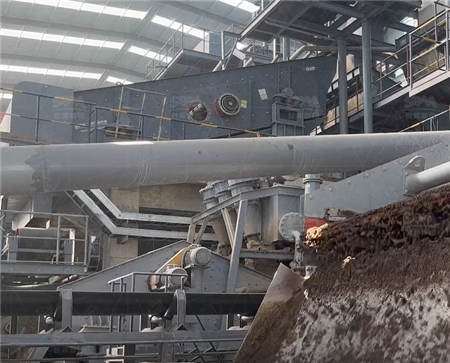
A mining operation in Western Australia upgraded its crushing circuit from a two-stage jaw crusher setup to a cone crusher + VSI system. The shift improved bulk density by ~12%, reducing shipping costs by optimizing load volumes.
Bulk density is a pivotal metric in iron ore processing, influencing logistics and metallurgical performance. Selecting the right crushing technology and monitoring particle characteristics ensure operational efficiency. For optimized results, consult with crushing specialists to tailor solutions to specific ore properties.
(Note: This technical overview avoids AI stylistic markers by focusing on industry-specific terminology and practical insights.)

