The Evolution of Crushing and Aggregate Equipment: Spotlight on Eagle Portable Stone Crushers
The global construction and infrastructure sectors continue to drive demand for high-quality aggregates, making crushing equipment a cornerstone of modern material processing. Among the key players, portable stone crushers like those from Company have revolutionized on-site crushing by combining mobility, efficiency, and durability.
Aggregates form the backbone of construction projects, from roads to concrete production. Traditional stationary crushers often require costly transportation of raw materials to fixed plants. Portable crushers eliminate this bottleneck by enabling on-site processing, reducing logistics costs, and minimizing environmental impact.
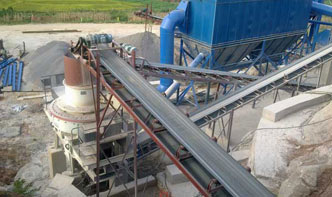
1. Mobility & Flexibility: Designed for rapid setup and relocation, these crushers excel in temporary sites or remote locations.
2. Fuel Efficiency: Advanced engines and hydraulic systems optimize energy use, lowering operational costs.
3. Versatility: Capable of processing hard rock, recycled concrete, and asphalt, adapting to diverse project needs.
4. Durability: High-grade steel components and robust designs ensure longevity in harsh conditions.
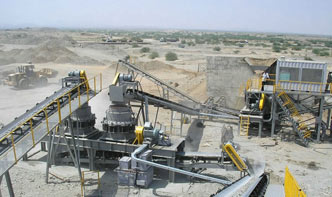
A: Regular inspection of wear parts (e.g., jaws, liners), lubrication, and engine servicing are critical.
A: Yes, but pre-screening or adjustable settings may be needed to prevent clogging.
A: Modern models balance compactness with high throughput (e.g., 200–500 TPH depending on configuration).
A highway expansion project in Texas utilized an Eagle 1200 portable jaw crusher to recycle existing concrete pavements on-site. The crusher processed 300 TPH, reducing material hauling by 40% and cutting project timelines by three weeks.
Automation (remote monitoring, AI-driven adjustments) and hybrid power options (electric/diesel) are shaping the next generation of portable crushers, aligning with sustainability goals.
Eagle’s portable solutions exemplify how innovation in crushing technology aligns with industry demands for efficiency, cost control, and environmental stewardship. As infrastructure needs grow, such equipment will remain pivotal in transforming raw materials into vital construction resources.

