The Evolution of Crushing and Screening Equipment in the Aggregate Industry
The global demand for high-quality sand and aggregates continues to rise, driven by infrastructure development, urbanization, and renewable energy projects. As a result, the crushing and screening sector has undergone significant technological advancements to meet stringent efficiency, sustainability, and output requirements.
Core Technologies in Modern Crushing Plants
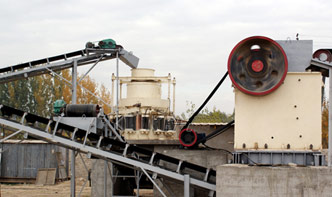
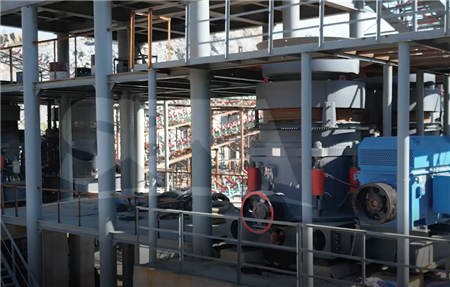
Modern processing plants, like the Macraes Processing Plant, rely on robust equipment designed for high-capacity production and minimal downtime. Key innovations include:
Industry Challenges and Solutions
1. Wear and Maintenance: High-abrasion materials like granite or basalt accelerate wear. Solutions include tungsten carbide liners and predictive maintenance via IoT sensors.
2. Energy Consumption: Hybrid power systems and variable frequency drives (VFDs) reduce operational costs.
3. Regulatory Compliance: Plants must adhere to noise and emission standards, necessitating soundproof enclosures and scrubbers.
FAQ Section
Q: How to choose between fixed and mobile crushing plants?
A: Fixed plants suit large-scale, long-term projects, while mobile units offer flexibility for remote or temporary sites.
Q: What’s the typical lifespan of crusher components?
A: Manganese jaws last 3–6 months under heavy use; regular greasing and proper feed size optimization extend longevity.
Q: Can recycled concrete be processed into aggregates?
A: Yes, modern crushers with specialized rotors can transform demolition waste into DOT-approved base materials.
Case Study: Urban Infrastructure Project
A North American contractor deployed a portable VSI crusher to recycle concrete pavement into road base, achieving 400 TPH output while reducing landfill costs by 60%. The project underscored the role of modular designs in urban recycling initiatives.
As sustainability becomes paramount, the industry will continue prioritizing automation, circular economy practices, and low-carbon footprint equipment. Future-ready plants must balance productivity with environmental stewardship to remain competitive.

