Gravel vs. Granite in the Aggregate Industry: Key Differences and Applications
The aggregate industry relies heavily on materials like gravel and granite for construction, road building, and concrete production. While both are essential, they differ in origin, properties, and applications.
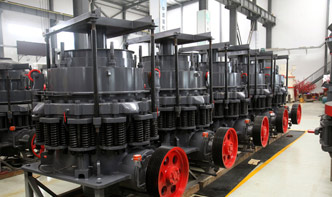
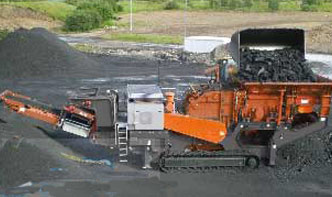
Aggregates form the backbone of infrastructure projects. Crushed stone (e.g., granite) and natural gravel are primary raw materials processed by crushing and screening equipment to produce various grades of sand and stone.
– Gravel: Landscaping, drainage layers, low-traffic roads.
– Granite: High-strength concrete, railway ballast, asphalt mixtures.
Q: Which is more cost-effective?
A: Gravel is cheaper due to natural availability, but granite offers superior durability for heavy-duty projects.
Q: Can granite replace gravel in all applications?
A: No. Gravel’s permeability makes it irreplaceable for drainage systems.
A highway project in Texas used crushed granite for its base layer, ensuring longevity under heavy traffic. In contrast, a residential development in Florida opted for gravel for drainage-friendly walkways.
Choosing between gravel and granite depends on project requirements. While gravel suits drainage and aesthetics, granite excels in strength-critical applications. Modern crushing technology ensures both materials meet industry standards efficiently.

