Designing Efficient Crushing Plants for Aggregate Production
The aggregate and sand industry plays a critical role in construction, infrastructure, and mining. Designing an efficient crushing plant is essential to optimize production, reduce operational costs, and ensure high-quality output. Here’s a comprehensive guide to key considerations in crushing plant design.
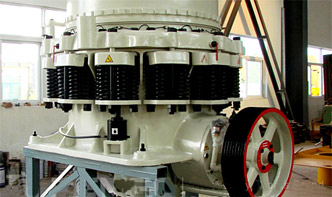
The demand for high-quality aggregates is driven by urbanization and infrastructure projects. Crushing plants transform raw materials (limestone, granite, basalt, etc.) into usable sizes for concrete, asphalt, and road bases. A well-designed plant balances capacity, particle shape, and cost-effectiveness.
Q: How to choose between jaw and cone crushers?
A: Jaw crushers suit primary crushing; cone crushers provide finer secondary crushing.
Q: What are the benefits of a mobile crushing plant?
A: Mobility reduces hauling costs and is ideal for temporary or remote sites.
Q: How to mitigate dust in crushing plants?
A: Use water sprays, enclosures, and bag filters to meet environmental standards.

A granite quarry in Texas upgraded to a 3-stage crushing plant (jaw + cone + VSI crushers), increasing production by 30% while improving cubical aggregate shape for asphalt mixes. Automated screening reduced labor costs by 15%.
Smart crushing plant design integrates material science, machinery selection, and operational efficiency. By focusing on scalability and sustainability, producers can meet growing demands while minimizing environmental impact.
For customized solutions, consult with crushing experts to tailor designs to your project’s needs.

