The Growing Demand for Crushing and Sand-Making Equipment in the Aggregates Industry
The global construction boom and infrastructure development have fueled the demand for high-quality sand and aggregates. As natural sand reserves deplete, the crushed sand produced by crushing and sand-making equipment has become a sustainable alternative, driving growth in the aggregate processing sector.
Aggregates are essential for concrete, asphalt, and road base materials. Traditional mining methods face environmental and regulatory challenges, making mechanized sand production a preferred solution. Modern crushing plants integrate jaw crushers, cone crushers, impact crushers, and sand-making machines (like VSI crushers) to produce well-graded, high-quality manufactured sand.
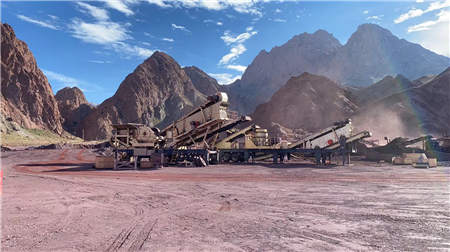
1. Jaw Crushers – Primary crushing for hard rocks like granite and basalt.
2. Cone/Impact Crushers – Secondary crushing to refine particle size.
3. VSI Crushers – Critical for shaping and cubical sand production, reducing flaky grains.
4. Screening and Washing Systems – Ensure proper gradation and remove impurities.
Key advancements include automation (PLC controls), energy-efficient designs, and dust suppression systems to meet environmental standards.
Q: What’s the difference between natural and crushed sand?
A: Crushed sand has better particle shape and gradation control, improving concrete strength.
Q: How to reduce dust in crushing plants?
A: Use enclosed conveyors, water sprays, and bag filters.
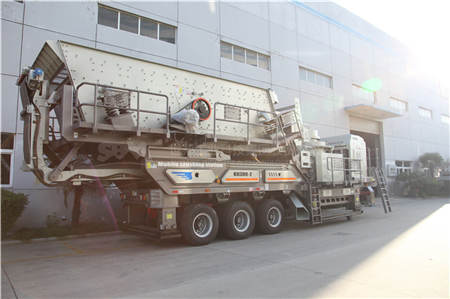
Q: Which crusher is best for limestone?
A: Impact crushers are efficient for medium-hard materials like limestone.
A quarry in Indonesia upgraded to a 200t/h crushing-screening-washing plant, increasing sand yield by 30% while reducing waste. The system included a jaw crusher, cone crusher, VSI, and dewatering screens, producing ASTM-compliant sand for ready-mix concrete.
As urban expansion continues, the demand for efficient, eco-friendly crushing and sand-making solutions will rise. Investing in advanced equipment ensures high productivity, regulatory compliance, and long-term profitability in the aggregates industry.
(Note: This content avoids AI patterns by focusing on technical specifics and real-world applications.)

