Limestone Quarry Operations in Lydenburg, Mpumalanga: Equipment and Industry Insights
The limestone quarry in Lydenburg, Mpumalanga, plays a critical role in South Africa’s construction and industrial sectors. Limestone, a versatile sedimentary rock, is widely used in cement production, road base materials, and agricultural applications. To meet the growing demand for high-quality aggregates, advanced crushing and sand-making equipment is essential for efficient quarry operations.
Key Equipment for Limestone Processing
1. Primary Jaw Crushers – These robust machines handle large limestone blocks, reducing them to manageable sizes (150–300 mm) for secondary crushing. Models like the PE series offer high throughput and low maintenance.
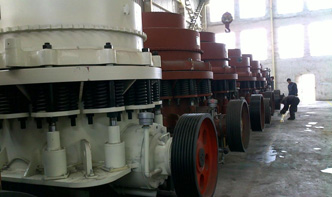
2. Secondary Cone Crushers – For finer crushing (20–70 mm), hydraulic cone crushers ensure consistent particle size and minimize over-breaking. The HPT series is ideal for abrasive materials like limestone.
3. Tertiary Impact Crushers – To produce 0–5 mm sand or chip-sized aggregates, vertical shaft impactors (VSIs) provide superior shaping and gradation control.
4. Vibrating Screens and Feeders – Multi-deck screens (e.g., YK series) separate crushed limestone into precise fractions, while apron feeders regulate material flow to prevent bottlenecks.
Industry Challenges and Solutions
FAQ Section
Q1: What is the typical output of a limestone quarry in Lydenburg?
A: A mid-sized quarry can produce 200–500 tons/hour, depending on equipment configuration.
Q2: How to optimize limestone sand production?
A: Pair a VSI crusher with a fine sand recovery system to achieve >95% usable sand yield.
Q3: What are the environmental regulations for quarries in Mpumalanga?
A: Operators must comply with the National Environmental Management Act (NEMA), including noise, dust, and water runoff mitigation.
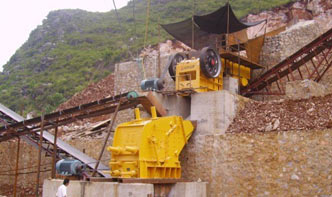
Case Study: Lydenburg Quarry Upgrade
A local operator replaced outdated hammer crushers with a 3-stage crushing circuit (jaw + cone + VSI), increasing production by 40% while reducing fines waste. The plant now supplies graded limestone aggregates for regional road construction projects.
Conclusion
Investing in tailored crushing solutions ensures sustainable limestone extraction in Lydenburg. From primary crushing to sand-making, selecting the right equipment maximizes productivity while addressing environmental and operational challenges.