The Gravel Crushing Industry in Canada: Equipment, Applications, and Trends
Canada’s vast natural resources and booming construction sector have fueled demand for high-quality gravel and crushed stone. Gravel crushing plays a pivotal role in producing aggregates for roads, concrete, and infrastructure projects. Mobile and stationary crushing plants are widely used across provinces like Alberta, Ontario, and British Columbia, where mining and urban development drive the need for efficient aggregate processing.
Core Equipment in Gravel Crushing
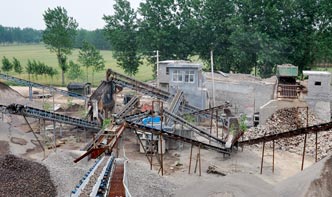
Modern gravel crushing operations rely on robust machinery:
Advanced automation and dust suppression systems ensure productivity while meeting environmental regulations.
Key Applications
1. Road Construction: Crushed gravel forms the base for highways and rural roads.
2. Concrete Production: Processed aggregates enhance structural integrity.
3. Landscaping: Decorative gravel for residential and commercial projects.
FAQ Section
Q: What’s the difference between gravel and crushed stone?
A: Gravel is naturally rounded, while crushed stone is mechanically processed with angular edges for better compaction.
Q: How do mobile crushers benefit remote projects?
A: They eliminate hauling costs by processing material directly at the site.

Q: What maintenance do crushing plants require?
A: Regular wear-part inspections (e.g., liners, blow bars) and lubrication are critical.
Case Study: Alberta Highway Expansion
A contractor used a mobile jaw-cone crusher combo to process 500,000 tons of limestone for a highway upgrade. The setup improved efficiency by 30% compared to traditional methods, with real-time telemetry optimizing production.
Future Trends
Canada’s gravel crushing sector continues to evolve, balancing output with environmental stewardship. Investing in the right equipment ensures long-term competitiveness in this essential industry.

