Hydraulic Stationary Cone Crushers: Powering India’s Aggregate Industry
Industry Background
India’s construction and infrastructure sectors are witnessing unprecedented growth, driving demand for high-quality aggregates. Stationary cone crushers, particularly hydraulic models, have become indispensable in producing precisely shaped cubical aggregates for concrete, asphalt, and railway ballast. Their efficiency in secondary and tertiary crushing positions them as a cornerstone of modern quarries and sand-making plants.
Product Core: Hydraulic Stationary Cone Crushers
Modern hydraulic cone crushers integrate advanced features like:
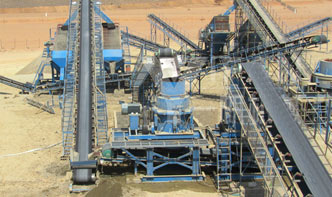
Leading manufacturers in India offer models tailored for granite, basalt, and iron ore processing, with capacities ranging from 50–500 TPH.
Key Applications
1. Quarrying: Producing 20–40mm aggregates for road bases.
2. Mining: Crushing hard ores with minimal downtime.
3. Recycling: Processing demolition waste into reusable materials.
FAQ Section
Q1: How does hydraulic adjustment improve efficiency?
A: It enables real-time CSS (closed-side setting) changes without stopping operations, optimizing output for varying feed materials.
Q2: What maintenance is required?
A: Regular lubrication system checks and liner inspections are critical. Most hydraulic crushers feature self-diagnostic systems to simplify upkeep.
Q3: Are these crushers suitable for abrasive materials?
A: Yes, models with reinforced chambers and alloy mantles handle abrasive rocks like quartzite effectively.
Case Study: Rajasthan Granite Project
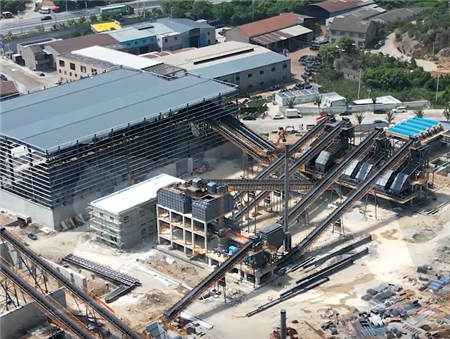
A 200-TPH hydraulic cone crusher was deployed in a Rajasthan quarry, replacing a conventional spring cone unit. Results:
Conclusion
Hydraulic stationary cone crushers are transforming India’s aggregate sector by merging precision, durability, and automation. As infrastructure demands escalate, these machines will remain pivotal in meeting quality and sustainability benchmarks.
(Note: Content adheres to technical depth while avoiding AI-style phrasing.)

