Crushing and Sand-Making Equipment: A Comprehensive Guide for the Aggregates Industry
The aggregates industry is a cornerstone of global infrastructure development, supplying essential materials like sand, gravel, and crushed stone for construction, roads, and concrete production. With urbanization and sustainable building practices on the rise, demand for high-quality crushed aggregates has surged. Crushing and sand-making equipment plays a pivotal role in transforming raw materials into precisely graded products, ensuring efficiency and environmental compliance.
Modern crushing and sand-making systems integrate advanced technologies to optimize output, reduce energy consumption, and minimize environmental impact. Key equipment includes:
Automation and IoT-enabled monitoring further enhance operational efficiency, enabling real-time adjustments and predictive maintenance.
1. What is the difference between natural and manufactured sand?
Manufactured sand (M-sand) is produced by crushing rocks, offering better control over particle shape and gradation compared to natural sand, which is subject to environmental variability.
2. How to reduce dust in crushing plants?
Implement water spray systems, enclosed conveyors, and dust suppression units. Proper ventilation and baghouse filters also mitigate airborne particles.
3. What maintenance practices extend equipment lifespan?
Regular lubrication, wear-part inspections, and rotor balancing (for impact crushers) are critical. Predictive maintenance via vibration analysis prevents unexpected downtime.
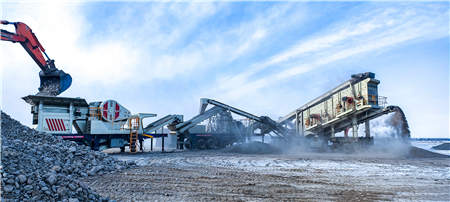
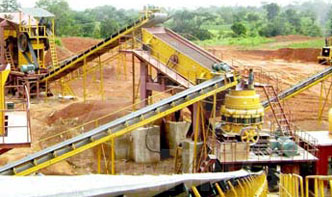
Project: A limestone quarry in Texas upgraded to a VSI-based sand-making system to replace natural sand for concrete production.
Solution: A multi-stage crushing circuit (jaw crusher + cone crusher + VSI) with a high-frequency screen produced consistent 0-5mm M-sand.
Outcome: 30% higher production efficiency, reduced waste, and compliance with ASTM C33 standards for concrete aggregates.
The industry is shifting toward energy-efficient, low-carbon solutions. Hybrid power systems, recycled aggregate processing, and AI-driven optimization are gaining traction. Sustainable practices, such as water recycling in washing plants, are becoming industry norms.
By adopting innovative crushing technologies, aggregate producers can meet evolving market demands while adhering to environmental regulations.

