The Granite Quarry and Crushing Industry in Tamil Nadu: A Comprehensive Overview
The granite quarrying and crushing industry in Tamil Nadu plays a pivotal role in India’s construction and infrastructure development. Known for its high-quality granite reserves, Tamil Nadu supplies raw materials for aggregates, dimension stones, and manufactured sand (M-Sand). With increasing demand for sustainable construction materials, granite quarries are transitioning toward mechanized crushing and sand-making processes to meet regulatory and environmental standards.
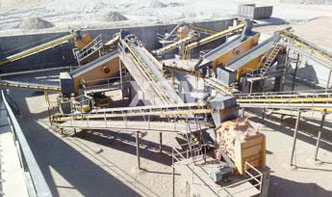
1. Jaw Crushers: Primary crushing of large granite blocks into smaller fragments (150–300 mm).
2. Cone Crushers: Secondary crushing to produce finer aggregates (20–50 mm) for concrete and asphalt.
3. Vertical Shaft Impact (VSI) Crushers: Critical for producing high-quality M-Sand with optimal particle shape and gradation.
4. Vibrating Screens and classifiers: Ensure precise sizing and remove impurities.
5. Dust Control Systems: Essential to comply with Tamil Nadu Pollution Control Board (TNPCB) norms.
Q1: What permits are required to lease a granite quarry in Tamil Nadu?
A: Mining lease approval from the Tamil Nadu Department of Geology and Mining, alongside TNPCB clearance for crushing units.
Q2: How is M-Sand produced from granite?
A: Granite is crushed to 40–50 mm, further processed in a VSI crusher, and screened to IS 383 standards.
Q3: What’s the typical output of a 200 TPH crushing plant?
A: Approximately 160–180 TPH of aggregates and 40–50 TPH of M-Sand, depending on granite hardness.
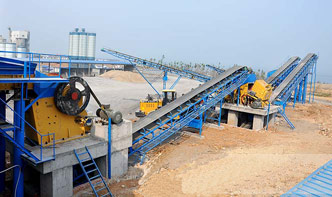
A recent setup included:
The plant achieved 22% profit margins by supplying M-Sand to local RMC plants and highway contractors.
Tamil Nadu’s granite quarries, paired with modern crushing technology, offer a sustainable path for India’s construction boom. Strategic investments in automation and environmental safeguards will define future success.

