The Evolution of Sand Plant Production Lines in the Aggregate Industry
The global construction boom has fueled unprecedented demand for high-quality sand and aggregates, driving advancements in sand plant production line technology. Modern crushing and sand-making equipment is designed to optimize efficiency, reduce environmental impact, and deliver consistent product gradation for infrastructure projects.
Core Technologies in Sand Production
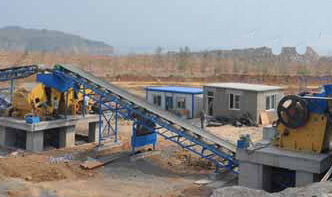
1. Primary Crushing: Jaw crushers or gyratory crushers break down large rocks into manageable sizes.
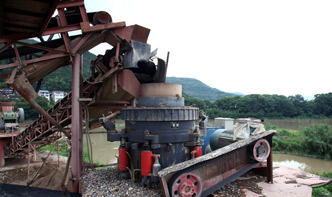
2. Secondary/Tertiary Crushing: Cone crushers and impact crushers further refine material to meet precise specifications.
3. Sand Making: Vertical shaft impact (VSI) crushers or roller crushers shape particles into cubical sand, ideal for concrete and asphalt.
4. Screening & Washing: Vibrating screens and log washers remove impurities and classify aggregates by size.
Key Trends Shaping the Industry
FAQ Section
Q: What’s the difference between natural and manufactured sand?
A: Manufactured sand, produced via crushing, offers better control over particle shape and gradation compared to irregular natural sand.
Q: How to mitigate dust in sand plants?
A: Enclosed conveyors, spray systems, and bag filters are effective solutions.
Q: What’s the typical lifespan of a sand production line?
A: With proper maintenance, key components like crushers last 10–15 years; wear parts (e.g., liners) require regular replacement.
Engineering Case: Quarry Expansion in Southeast Asia
A limestone quarry upgraded to a 500-tph sand plant with a VSI crusher and multi-stage screening, achieving 95% utilization of raw material. The system reduced waste by 30% and met international sand standards for a major highway project.
Conclusion
Innovations in sand plant technology continue to redefine aggregate production, balancing productivity with environmental stewardship. As urbanization accelerates, scalable and eco-conscious solutions will dominate the market.

