Basalt Fiber Production Line and Its Role in the Aggregates Industry
The aggregates industry is a cornerstone of modern construction, providing essential materials like sand, gravel, and crushed stone for infrastructure projects. Among the innovative materials gaining traction is basalt fiber, a high-performance alternative to traditional steel and synthetic fibers. Produced from molten basalt rock, this material offers exceptional strength, corrosion resistance, and thermal stability, making it ideal for reinforcing concrete and asphalt in the construction sector.
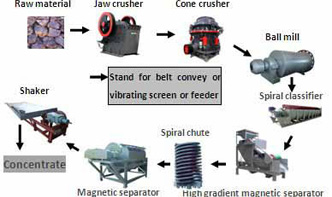
The production line for basalt fiber involves several critical stages:
1. Raw Material Preparation: Basalt rock is mined, crushed, and screened to achieve uniform particle size. This step often utilizes advanced jaw crushers, cone crushers, and vibrating screens to ensure optimal feed for melting.
2. Melting and Fiber Formation: The crushed basalt is melted in furnaces at temperatures exceeding 1,400°C. The molten material is then extruded through platinum-rhodium bushings to form continuous filaments.
3. Fiber Treatment: The filaments are coated with sizing agents to enhance adhesion in composite applications, then wound onto spools or chopped into staple fibers.
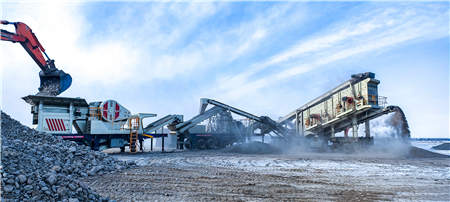
Basalt fibers are increasingly used to reinforce concrete, asphalt, and other construction materials, offering:
Q: How does basalt fiber compare to steel or glass fiber?
A: Basalt fiber outperforms steel in corrosion resistance and is stronger than E-glass fiber while being more cost-effective than carbon fiber.
Q: What equipment is critical in a basalt fiber production line?
A: Key machinery includes crushers, melting furnaces, fiber drawing units, and coating systems.
A project in Norway utilized basalt fiber-reinforced concrete for a coastal bridge, significantly reducing maintenance costs due to the material’s resistance to saltwater corrosion.
The integration of basalt fiber into the aggregates industry represents a leap forward in sustainable, high-performance construction materials. By leveraging advanced crushing and processing technologies, producers can meet growing demand while enhancing the durability of infrastructure projects worldwide.

