The Role of Limestone Double Shaft Hammer Crushers in the Aggregate Industry
The aggregate industry is a cornerstone of modern construction, providing essential materials like sand, gravel, and crushed stone for infrastructure projects. Among the key equipment used in this sector, the limestone double shaft hammer crusher stands out for its efficiency in processing medium-hard to soft materials such as limestone, gypsum, and coal.
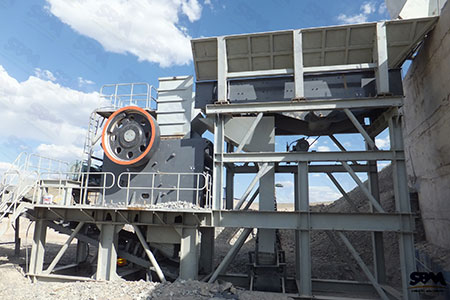
With urbanization and infrastructure development accelerating globally, demand for high-quality aggregates has surged. Limestone, a widely available sedimentary rock, is a primary raw material for cement production, road base, and concrete. Traditional single-shaft crushers often struggle with high moisture content or sticky materials, leading to clogging and reduced throughput. This is where double shaft hammer crushers excel, offering robust performance in challenging conditions.
A double shaft hammer crusher features two parallel rotors rotating in opposite directions, each equipped with hammer sets. This design ensures:
These crushers are ideal for primary or secondary crushing in quarrying, mining, and recycling applications.
Q1: What’s the maximum feed size for a double shaft hammer crusher?
Typically up to 800mm, depending on the model and rotor configuration.
Q2: How to maintain the hammers for optimal performance?
Regular inspection and rotation of hammers ensure even wear. Hardfacing can extend service life.
Q3: Can it handle wet limestone?
Yes, the open-bottom design and counter-rotating action reduce material buildup.
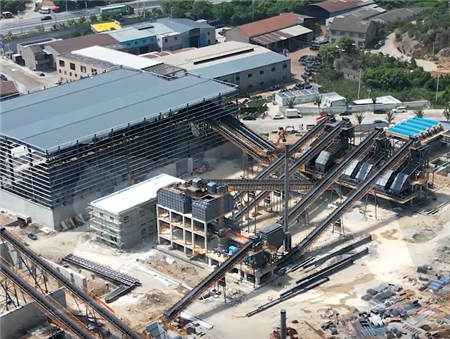
A quarry in Texas upgraded to a double shaft hammer crusher for limestone processing, achieving:
The limestone double shaft hammer crusher is a versatile solution for modern aggregate operations, balancing productivity, reliability, and cost-effectiveness. As sustainability and efficiency become priorities, its role in the industry is set to grow.
(Note: For specific applications, consult manufacturers to tailor the crusher’s configuration to your material and output requirements.)

