Vibrating Screen Capacity Calculation and Its Role in Aggregate Production
The vibrating screen is a critical component in crushing and screening plants, widely used in the aggregate, mining, and construction industries. Its primary function is to separate materials into different sizes, ensuring product uniformity and efficiency in downstream processes.
The demand for high-quality sand and gravel has surged due to infrastructure development and urbanization. Vibrating screens play a pivotal role in optimizing production by classifying raw materials (e.g., limestone, granite, or river pebbles) into usable fractions, such as 0-5mm (sand), 5-20mm (gravel), or larger aggregates for concrete and asphalt.
The capacity of a vibrating screen depends on several variables:
1. Screen Area (A): Larger screens handle higher throughput.
2. Material Characteristics: Moisture, density, and particle shape impact screening efficiency.
3. Deck Configuration: Single or multi-layer decks for simultaneous grading.
4. Vibration Parameters: Amplitude, frequency, and inclination angle influence material flow.
A simplified formula for capacity (Q) is:
\[
Q = A \times B \times C \times D \times E \times F
\]
Where:
For example, a 6’ x 16’ screen with 50% open area processing dry crushed stone may achieve ~400 TPH, while wet, sticky materials could reduce capacity by 20-30%.
1. How to reduce blinding (pegging)?
Use polyurethane or rubber screens for sticky materials; adjust vibration intensity.
2. What maintenance extends screen life?
Regularly check tensioning, lubricate bearings, and replace worn panels.
3. Can screen angle improve efficiency?
A 15-20° incline balances throughput and stratification.
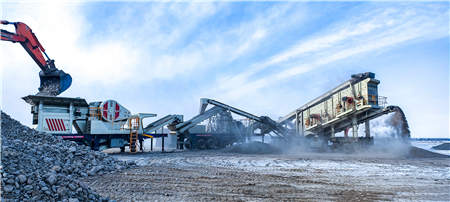
A granite quarry in Texas upgraded to a high-frequency screen, increasing sand production by 25% and reducing oversize waste. The solution included adjustable vibration settings for varying feed gradations.
Accurate capacity calculation ensures optimal screen selection, reducing downtime and maximizing yield. Customizing parameters for material type and operational conditions is key to efficiency in aggregate processing.
(Note: For precise sizing, consult manufacturer data or simulation tools.)

