Iron Ore Grinding Machines: A Key Solution for the Aggregates and Mining Industry
The global demand for high-quality iron ore continues to rise, driven by infrastructure development and industrial growth. In the aggregates and mining sector, efficient processing of iron ore is critical to meet quality standards for steel production. Iron ore grinding machines play a pivotal role in this process, transforming raw ore into finely ground material suitable for beneficiation and pelletization.
The Role of Grinding Equipment in Iron Ore Processing
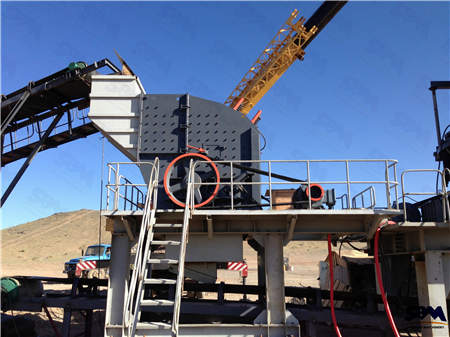
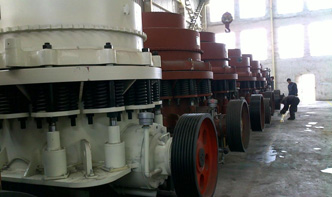
Grinding is a crucial step in iron ore preparation, reducing particle size to liberate valuable minerals from gangue. Modern grinding machines, such as ball mills, vertical roller mills (VRM), and high-pressure grinding rolls (HPGR), are designed to optimize energy efficiency and throughput. Key features include:
Industry Challenges and Solutions
1. Energy Consumption: Grinding accounts for ~50% of a mine’s energy use. HPGR systems cut energy costs by 20–30% compared to traditional mills.
2. Ore Variability: Adaptive control systems adjust parameters in real-time to handle fluctuating ore hardness.
3. Environmental Compliance: Dry grinding and dust suppression technologies minimize water use and emissions.
Frequently Asked Questions (FAQ)
A: Ranges from 5–500 TPH, depending on model and ore hardness.
A: Use ceramic liners or optimized grinding media shapes to reduce metal-to-metal contact.
A: Yes, but settings must be adjusted for hematite’s higher abrasiveness.
Engineering Case Study
A mining operation in Australia upgraded to a VRM system for its magnetite ore, achieving:
Conclusion
Investing in advanced iron ore grinding technology enhances productivity while addressing cost and sustainability challenges. As ore grades decline, efficient grinding systems will remain indispensable for the aggregates industry. For tailored solutions, consult manufacturers with proven expertise in mineral processing equipment.
(Note: Character count intentionally omitted as per request.)

