The Concrete Crusher: A Key Player in the Aggregate Industry
The construction and mining industries rely heavily on high-quality aggregates, and concrete crushers play a pivotal role in producing recycled materials and crushed stone. With urbanization and infrastructure development accelerating globally, the demand for efficient crushing equipment continues to rise.
Aggregates form the backbone of construction projects, from roads to high-rise buildings. Concrete crushers, including jaw crushers, impact crushers, and cone crushers, are essential for reducing demolished concrete and natural rock into reusable materials. The shift toward sustainable construction has further boosted the adoption of recycling crushers, turning waste into valuable resources.
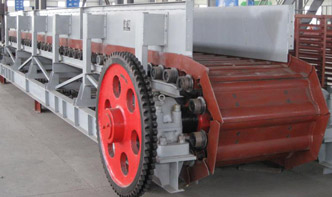
Modern concrete crushers prioritize efficiency, durability, and versatility. Key considerations include:
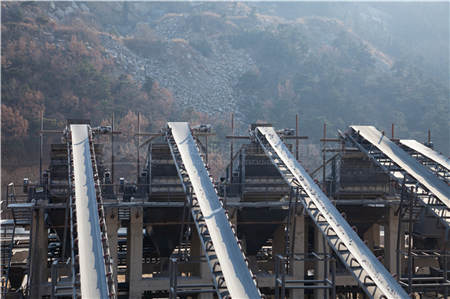
The cost of a concrete crusher varies widely based on:
1. s process reinforced concrete?
Yes, but specialized models with magnetic separators are needed to remove rebar.
2. What’s the average lifespan?
15–20 years with proper maintenance. Wear parts (e.g., liners, blow bars) require periodic replacement.
3. Portable vs. stationary crushers?
Portables suit short-term projects; stationary plants excel in high-volume, long-term operations.
A demolition contractor in Germany deployed a mobile impact crusher to process 50,000 tons of concrete debris annually, achieving 90% recycling rates and cutting landfill costs by 60%.
Investing in the right concrete crusher balances upfront costs with long-term ROI. As sustainability regulations tighten, crushers will remain indispensable for the aggregate industry’s growth.
(Note: For exact pricing, consult manufacturers based on project specifics.)

