Chalcocite Dressing Process and Beneficiation in the Sand and Aggregate Industry
The sand and aggregate industry plays a vital role in construction, infrastructure, and mining sectors. As demand for high-quality materials grows, efficient mineral processing techniques like chalcocite dressing and beneficiation have become essential. Chalcocite (Cu₂S), a significant copper sulfide ore, requires specialized methods to extract and upgrade its copper content for industrial use.
Core Process of Chalcocite Beneficiation
1. Crushing and Grinding: Primary crushing reduces chalcocite ore to manageable sizes, followed by grinding to liberate copper minerals from gangue. Jaw crushers and cone crushers are commonly used.
2. Flotation: The ground ore undergoes froth flotation, where reagents selectively separate chalcocite from waste. Xanthates are typical collectors, while frothers stabilize bubbles for mineral recovery.
3. Dewatering: Concentrated slurry is filtered or centrifuged to reduce moisture, producing a marketable copper concentrate.
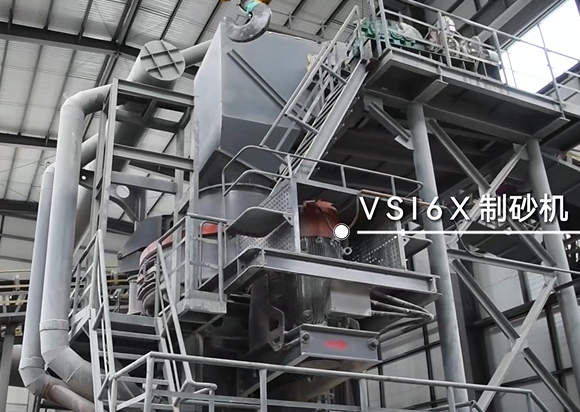
Equipment Highlights
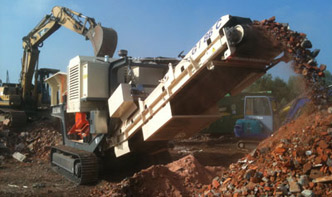
FAQ
Q: What is the typical copper grade after beneficiation?
A: Depending on ore quality, chalcocite concentrate can reach 20–40% copper.
Q: How is waste material managed?
A: Tailings are stored in engineered ponds or reprocessed for residual minerals.
Engineering Case
A Chilean mine improved recovery by 12% by optimizing flotation reagents and adopting automated control systems. This reduced energy costs and increased concentrate purity.
Conclusion
Chalcocite beneficiation is a key process in the sand and aggregate sector, leveraging advanced crushing, grinding, and flotation technologies. Continuous innovation ensures sustainable and efficient copper production to meet global demands.

