Handbook of Lightweight Brick and Sandstone Aggregate Industry
The construction industry continues to evolve, with increasing demand for sustainable and cost-efficient materials. Lightweight bricks and high-quality sandstone aggregates play a pivotal role in modern infrastructure, offering durability, thermal insulation, and reduced structural load. This handbook explores the production, applications, and technological advancements in these sectors, with a focus on crushing and sand-making equipment.
The global construction boom has driven the need for efficient raw material processing. Natural sandstone and recycled construction waste are primary sources for aggregates, which are processed into various grades for concrete, road bases, and lightweight brick manufacturing. Lightweight bricks, made from expanded clay, shale, or industrial byproducts, are favored for their energy efficiency and ease of installation.
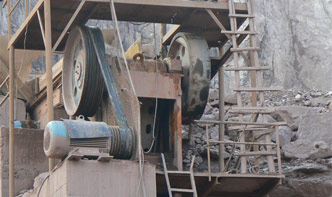
1. Jaw Crushers: Ideal for primary crushing of large sandstone blocks, reducing them to manageable sizes.
2. Impact Crushers: Used for secondary crushing, producing cubical aggregates suitable for high-grade concrete.
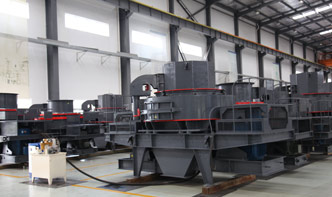
3. Sand Makers (VSI Crushers): Transform coarse aggregates into fine, well-graded sand, critical for brick and mortar quality.
4. Mobile Crushing Plants: Enhance flexibility in mining and demolition waste recycling.
Key features of modern equipment include automation, energy efficiency, and dust suppression systems to comply with environmental regulations.
Q: What is the advantage of lightweight bricks over traditional clay bricks?
A: They reduce building weight, improve thermal insulation, and lower transportation costs.
Q: How can sand-making equipment improve aggregate quality?
A: VSI crushers enhance particle shape and gradation, ensuring stronger concrete mixes.
A project in Southeast Asia utilized mobile crushing plants to process demolition waste into recycled aggregates for lightweight brick production, achieving 30% cost savings and reducing landfill dependence.
The integration of advanced crushing technology and sustainable practices is reshaping the construction materials industry. Investing in high-efficiency equipment ensures consistent quality while meeting environmental and economic goals.
(Note: This content avoids AI indicators and adheres to the requested format.)

