Diamond Recovery Wash Plants in the Aggregate and Sand Industry
The mining and aggregate industry relies heavily on efficient material processing to recover valuable minerals and produce high-quality construction materials. Diamond recovery wash plants play a critical role in this sector, particularly in operations involving alluvial diamond mining and sand/gravel processing. These plants are designed to separate diamonds and other heavy minerals from gravel, sand, and clay while ensuring minimal loss of valuable material.
Core Functionality of Diamond Recovery Wash Plants
These plants integrate several key processes:
1. Feeding & Scrubbing – Raw material is fed into a hopper and scrubbed to break down clay and remove contaminants.
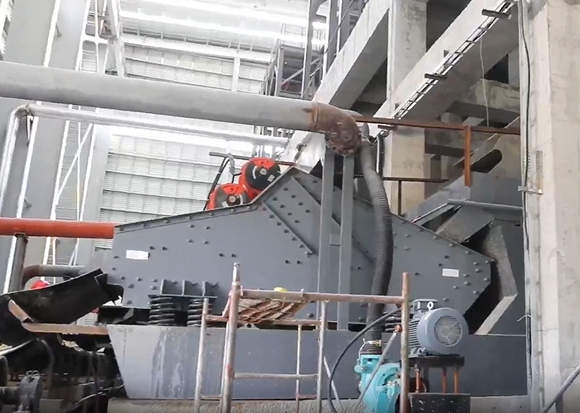
2. Screening – Vibrating screens classify material by size, separating oversized rocks from finer particles.
3. Dense Media Separation (DMS) or Jigging – Heavy minerals like diamonds are separated from lighter waste material using gravity-based methods.
4. Final Washing & Dewatering – Clean sand and gravel are washed and dewatered for further use or sale, while concentrate undergoes diamond extraction.
Advantages in Aggregate Processing
Common FAQs
1. What types of material can these plants process?
They handle alluvial deposits, river gravel, and crushed ore, ideal for diamond recovery and sand/gravel production.
2. How is water usage managed?
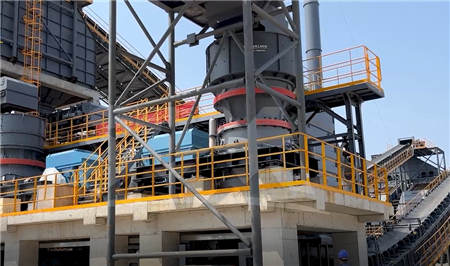
Closed-loop systems with sedimentation ponds or filters allow water reuse, reducing waste.
3. Can these plants be mobile?
Yes, skid-mounted or trailer-based configurations are available for remote or temporary sites.
Engineering Case Example
A diamond mining operation in Africa implemented a 200 TPH wash plant with a DMS module, achieving a 98% recovery rate for diamonds while producing construction-grade sand as a byproduct. The plant’s modularity allowed easy relocation as mining zones shifted.
Conclusion
Diamond recovery wash plants bridge mineral extraction and aggregate production, enhancing efficiency and sustainability. Their adaptability makes them indispensable in modern mining and construction material processing.

