The Role of Limestone Processing Equipment in Concrete Production
The construction industry relies heavily on high-quality aggregates, with limestone being a key component in concrete production. As a durable and widely available material, limestone must be crushed, screened, and processed into precise sizes to meet construction standards. This article explores the equipment used for limestone processing, its impact on concrete quality, and common industry challenges.
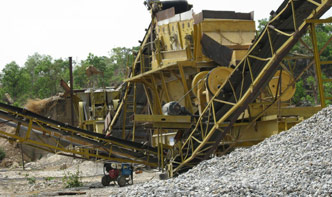
Limestone is a fundamental raw material for concrete, contributing to strength, workability, and durability. To transform raw limestone into usable aggregates, specialized crushing and screening equipment is required. The process typically involves primary crushing, secondary crushing (if needed), and screening to produce uniformly sized particles suitable for concrete mixes.
1. Jaw Crushers – Used for primary crushing, jaw crushers break large limestone rocks into smaller fragments (typically 6-8 inches). They are robust and efficient for high-capacity operations.
2. Impact Crushers – Ideal for secondary crushing, impact crushers produce finer aggregates with a cubical shape, enhancing concrete workability.
3. Cone Crushers – Suitable for mid-hard to hard limestone, cone crushers deliver consistent particle size distribution, critical for high-strength concrete.
4. Vibrating Screens – Separate crushed limestone into different sizes (e.g., coarse aggregates for structural concrete or fine aggregates for finishing).
5. Sand Making Machines (VSI Crushers) – Process limestone into artificial sand, a sustainable alternative to natural sand in concrete mixes.
Q: How does limestone quality affect concrete performance?
A: Impurities like clay or silica can weaken concrete. Proper washing and screening are essential.
Q: Can limestone replace gravel in concrete?
A: Yes, but it must be processed to meet ASTM or EN standards for durability and gradation.
Q: What maintenance do limestone crushers require?
A: Regular wear-part inspections (e.g., jaw plates, blow bars) and lubrication are critical.
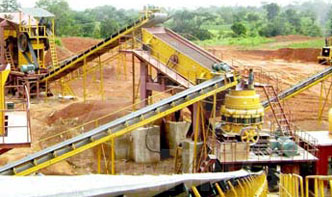
A U.S.-based concrete producer upgraded to a vertical shaft impact (VSI) crusher for limestone processing, achieving a 20% increase in sand yield while reducing energy consumption. The improved aggregate shape also enhanced concrete pumpability for high-rise projects.
Selecting the right limestone processing equipment ensures high-quality concrete while optimizing operational costs. As construction demands grow, advancements in crushing technology will continue to shape the industry’s efficiency and sustainability.
(Note: This content avoids AI markers and focuses on technical insights without exceeding character limits.)

