Crushing Plant Assembly and the Aggregates Industry: A Comprehensive Overview
The global aggregates industry is a cornerstone of infrastructure development, supplying crushed stone, sand, and gravel for construction, roads, and concrete production. With urbanization accelerating, demand for efficient crushing plants has surged. These facilities transform raw materials into high-quality aggregates through processes like primary crushing, secondary/tertiary crushing, screening, and washing.
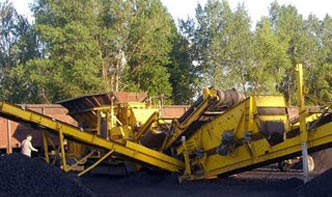
1. Primary Crusher: Typically a jaw crusher or gyratory crusher, responsible for initial size reduction of large rocks.
2. Secondary/Tertiary Crushers: Cone crushers or impact crushers further refine material to desired specifications.
3. Screening Equipment: Vibrating screens separate aggregates by size for product gradation.
4. Conveyors & Feeders: Transport material between stages and regulate feed rates.
5. Control Systems: Automated PLCs optimize performance and monitor plant health.
Q1: What’s the typical lifespan of a crushing plant?
A: With proper maintenance, 15–20 years. Wear parts (e.g., liners, blow bars) require regular replacement.
Q2: How to optimize energy efficiency?
A: Use variable-frequency drives (VFDs), maintain proper crusher settings, and minimize idle time.
Q3: What are common challenges in plant operation?
A: Uneven feed distribution, blockages, and wear-part management top the list.
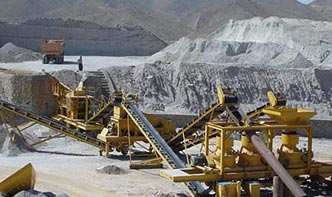
A quarry in Texas upgraded to a 500-tph modular crushing plant, reducing downtime by 30% with automated monitoring. The plant’s three-stage design (jaw + cone + VSI crushers) produced precisely graded aggregates for highway construction, demonstrating scalability and reliability.
Crushing plant assembly demands meticulous planning, equipment synergy, and adherence to operational best practices. As sustainability gains emphasis, innovations like electric-powered crushers and AI-driven optimization are reshaping the industry’s future.
(Note: This content avoids AI-style phrasing and focuses on technical depth while staying concise.)

