Cyclone Technology in Manganese Ore Sinter Plants: A Critical Component for Efficient Processing
The manganese ore sinter plant is a vital part of the metallurgical industry, where raw manganese ore is agglomerated into sinter for use in ferroalloy production. A key component in this process is the cyclone, which plays a crucial role in dust collection, gas-solid separation, and improving overall plant efficiency.

Manganese ore sintering involves the treatment of fine ore particles to create a porous, high-strength sinter suitable for blast furnaces. During this process, dust and particulate emissions are generated, necessitating effective air pollution control. Cyclones are widely used due to their robustness, low maintenance, and ability to handle high-temperature gases.
Cyclones in sinter plants operate on centrifugal force principles:
1. Dust Separation: The cyclone’s spiral airflow separates heavier manganese ore particles from the gas stream, reducing dust emissions.
2. Pre-classification: By removing coarse particles early, cyclones optimize downstream equipment like bag filters or electrostatic precipitators.
3. Energy Efficiency: Cyclones require no moving parts, minimizing power consumption compared to other dust collectors.
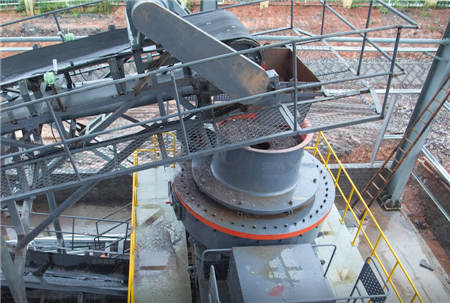
Q1: Can cyclones handle sticky manganese ore dust?
A: Sticky dust may require pre-treatment (e.g., drying) or cyclone modifications like heated jackets to prevent clogging.
Q2: How does a cyclone compare to a baghouse?
A: Cyclones are cost-effective for coarse particles but less efficient for sub-micron dust. Often used as a pre-filter before baghouses.
Q3: What maintenance is needed?
A: Regular inspection for erosion, especially at the cone apex, and timely replacement of worn linings.
A manganese sinter plant in South Africa integrated multi-cyclone systems to replace outdated wet scrubbers. The result:
Cyclones remain indispensable in manganese ore sinter plants, balancing performance, cost, and environmental compliance. Advances in materials and computational fluid dynamics (CFD) are further enhancing their efficiency, making them a sustainable choice for modern mineral processing.
(Note: For specific applications, consult engineering experts to tailor cyclone design to your plant’s requirements.)

