The Rock Crusher Machine Industry in the United States: A Comprehensive Overview
The rock crusher machine is a cornerstone of the aggregates and mining industry in the United States, playing a pivotal role in producing crushed stone, sand, and gravel for construction, infrastructure, and industrial applications. With the booming demand for high-quality aggregates driven by urban development and transportation projects, the market for rock crushing equipment continues to expand.
The U.S. aggregates industry is a multibillion-dollar sector, supplying essential materials for roads, bridges, buildings, and other critical infrastructure. Rock crushers are indispensable in processing raw materials into usable sizes, ensuring efficiency and sustainability in resource utilization. Key equipment includes jaw crushers, cone crushers, impact crushers, and mobile crushing plants, each designed for specific applications.
Modern rock crushers prioritize durability, automation, and energy efficiency. Leading manufacturers in the U.S. integrate advanced features such as:
These innovations help operators maximize productivity while minimizing environmental impact through dust suppression and noise reduction technologies.

1. What types of rock crushers are available?
– Jaw crushers for primary crushing.
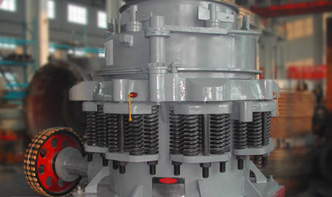
– Cone crushers for secondary and tertiary stages.
– Impact crushers for shaping aggregates.
– Mobile crushers for on-the-go operations.
2. How to choose the right crusher?
Consider material hardness, required output size, production capacity, and mobility needs.
3. What maintenance is required?
Regular lubrication, wear-part inspections, and timely replacements ensure longevity.
Leading projects like the Interstate Highway System and urban redevelopments rely on rock crushers to meet material demands efficiently.
The U.S. rock crusher industry continues to evolve with technological advancements, supporting sustainable infrastructure growth. Investing in the right equipment ensures operational efficiency and long-term profitability for aggregate producers.

