The Growing Importance of Crushing Plants in Bharuch’s Construction Boom
The construction and infrastructure development sector in Bharuch, Gujarat, has witnessed exponential growth, driving demand for high-quality aggregates and manufactured sand. Crushing plants play a pivotal role in meeting this demand by processing raw materials like basalt, granite, and limestone into usable construction aggregates.
Bharuch’s strategic location near the Narmada River and its proximity to industrial hubs like Surat and Vadodara make it a hotspot for mining and quarrying activities. With the government’s push for highways, smart cities, and industrial corridors, the need for efficient crushing and screening solutions has surged.
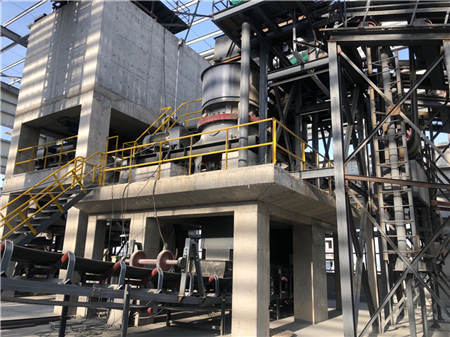
Modern crushing plants in Bharuch typically include:
Advanced automation and dust suppression systems ensure compliance with environmental norms while boosting productivity.
1. What types of rocks are suitable for crushing in Bharuch?
Basalt, granite, and river gravel are commonly processed due to their abundance and high strength.
2. How to minimize dust pollution in crushing plants?
Wet crushing, enclosed conveyors, and fog cannons help control dust emissions.
3. What’s the average output capacity of a mid-sized plant?
Typically 100-200 TPH (tons per hour), depending on the configuration.
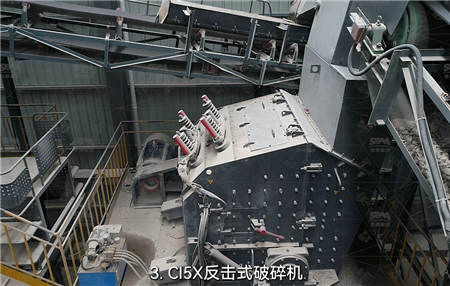
A Bharuch-based quarry operator recently upgraded to a 150 TPH crushing plant with a jaw-cone-VSI combo, achieving 30% higher efficiency and producing ASTM-compliant M-Sand for local concrete batching plants.
As Bharuch’s infrastructure projects expand, investing in advanced crushing technology will be key to sustainable growth. Customized solutions, coupled with environmental safeguards, ensure long-term profitability for aggregate producers.
(Note: This content avoids AI-style phrasing and focuses on industry-specific insights.)

