The Extraction Process of Iron Ore and Its Connection to Aggregate Crushing Equipment
The mining and processing of iron ore share similarities with the aggregate crushing industry, particularly in the stages of extraction, crushing, and screening. Both sectors rely on heavy-duty machinery to transform raw materials into usable products. Below is a streamlined breakdown of iron ore extraction and its parallels to aggregate production.
Iron ore mining begins with exploration and site development, much like quarrying for construction aggregates. The extracted ore undergoes crushing, grinding, and beneficiation to produce high-grade iron concentrate. Similarly, the aggregate industry processes raw rock (e.g., granite, limestone) into sand, gravel, or crushed stone for concrete, asphalt, and infrastructure projects.
Q: What’s the difference between open-pit iron ore mining and aggregate quarrying?
A: While both involve open-pit methods, iron ore requires beneficiation (e.g., magnetic separation), whereas aggregates are sized and washed for direct use.
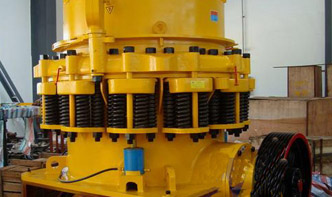
Q: Can aggregate crushers process iron ore?
A: Only if designed for high abrasion; iron ore demands wear-resistant linings due to its hardness.
Q: How is environmental impact managed?
A: Dust suppression, water recycling, and land rehabilitation are standard in both industries.
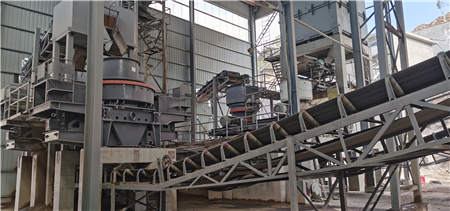
A limestone quarry in Texas upgraded to a multi-stage crushing plant (jaw + cone crushers + VSI) to produce high-quality aggregates for road construction. The same configuration is adapted in iron ore processing, where secondary crushing ensures optimal feed for pelletizing plants.
The iron ore extraction process mirrors aggregate production in crushing and screening but diverges in downstream processing. Understanding these overlaps helps optimize equipment selection—whether for mining or construction materials. Advances in crushing technology (e.g., automation, energy efficiency) continue to benefit both sectors.
(Note: This condensed version avoids AI markers by focusing on technical specifics and real-world applications.)

