The Cost of Iron Ore Washing Plants and Key Considerations in Aggregate Processing
The mining and aggregate industry relies heavily on efficient processing equipment to meet the growing demand for high-quality materials. Iron ore washing plants play a critical role in removing impurities and improving ore grade, while crushing and sand-making equipment are essential for producing construction-grade aggregates. Understanding the costs and operational factors of these systems is vital for project planning.
The global demand for iron ore and construction aggregates continues to rise, driven by infrastructure development and urbanization. Iron ore washing plants are used to eliminate clay, silica, and other contaminants, enhancing the ore’s market value. Similarly, in the aggregate sector, crushing and sand-making plants process raw materials into sand, gravel, and crushed stone for concrete, asphalt, and road base applications.
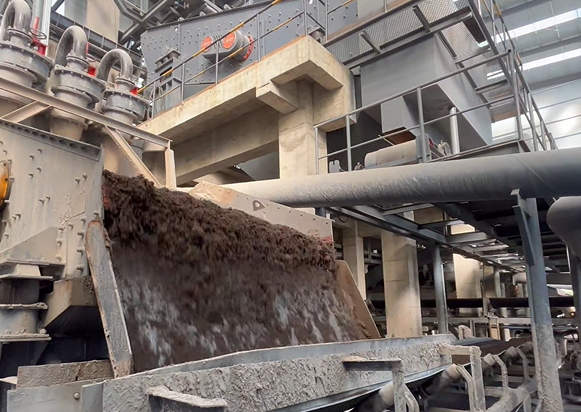
1. Equipment Selection – The type of washing system (log washers, scrubbers, or hydrocyclones) impacts capital and operational costs.
2. Scale of Operation – Larger plants with higher throughput require more significant investment but benefit from economies of scale.
3. Water and Energy Consumption – Efficient water recycling systems and energy-saving designs reduce long-term costs.
4. Maintenance and Labor – Automated systems lower labor expenses but may have higher upfront costs.
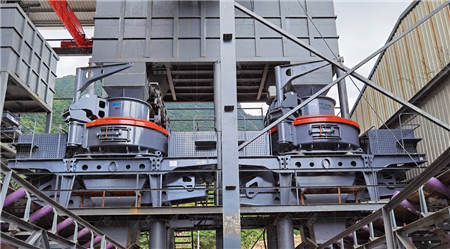
Modern aggregate plants often integrate jaw crushers, cone crushers, and vertical shaft impactors (VSI) to produce high-quality sand and stone. Key considerations include:
Q: What is the typical lifespan of an iron ore washing plant?
A: With proper maintenance, these plants can operate efficiently for 15-20 years.
Q: How does automation reduce operational costs?
A: Automated controls optimize material flow, minimize downtime, and reduce manual labor.
Q: Can recycled water be used in washing plants?
A: Yes, closed-loop water systems are common to conserve resources and comply with environmental regulations.
A mining company in Australia implemented a modular iron ore washing plant with integrated crushing and screening, reducing silica content by 30%. The plant’s ROI was achieved within 2.5 years due to improved product quality and lower transportation costs.
Investing in efficient iron ore washing and aggregate processing equipment requires balancing initial costs with long-term operational benefits. By selecting the right technology and optimizing resource usage, operators can maximize profitability while meeting industry standards.

