Quarry Stone Crushing Plant Method Statement
The quarry stone crushing plant is a critical component of the construction and mining industries, providing essential raw materials for infrastructure projects. This method statement outlines the key processes, equipment, and safety measures involved in operating a crushing plant to produce high-quality aggregates.
Aggregates are the backbone of construction, used in concrete, asphalt, and road base. With urbanization driving demand, efficient crushing plants ensure consistent supply while minimizing environmental impact. Modern plants prioritize automation, energy efficiency, and dust suppression to meet regulatory standards.
1. Primary Crushing: Large rocks are fed into a jaw crusher or gyratory crusher to reduce size.
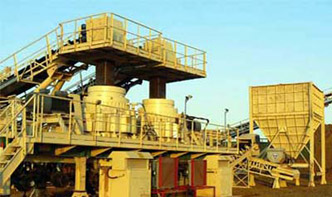
2. Secondary Crushing: Cone or impact crushers further break down material into smaller, uniform pieces.
3. Screening: Vibrating screens separate aggregates by size, with oversize material recirculated.
4. Tertiary Crushing (if needed): Vertical shaft impactors (VSI) refine aggregates for high-spec applications like concrete sand.
Q: What’s the typical output capacity of a quarry crushing plant?
A: Ranges from 100 to 1,000+ tons per hour, depending on plant design and material hardness.
Q: How to minimize wear on crusher parts?
A: Use high-quality manganese steel liners and monitor feed size to avoid overloading.
Q: Can recycled concrete be processed?
A: Yes, secondary crushers can handle recycled aggregates after removing contaminants.
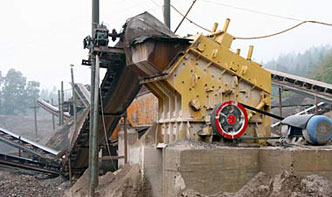
A limestone quarry in Texas upgraded to a 500 TPH plant with a jaw crusher, cone crusher, and VSI, achieving 20% higher efficiency and meeting strict air quality standards through enclosed conveyors and dust filters.
By adhering to best practices in crushing technology and sustainability, quarry operations can maximize productivity while reducing downtime and environmental impact.

