The Granite Crusher Market: A Comprehensive Guide
The global demand for crushed granite and other aggregates continues to rise, driven by infrastructure development, urbanization, and construction projects. Granite, known for its durability and aesthetic appeal, is widely used in road construction, concrete production, and landscaping. To meet this demand, investing in efficient granite crushers is essential for quarry operators and construction firms.
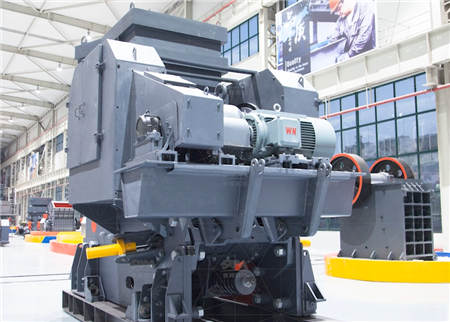
Granite crushers are heavy-duty machines designed to break down large granite rocks into smaller, manageable sizes. Key types include:
The cost of granite crushers varies based on:
Q1: What’s the typical output size range?
A: Primary crushers produce 6-8″ fragments, while secondary units yield 0.5-2″ aggregates.
Q2: How to maintain a granite crusher?
A: Regular lubrication, wear-part inspections, and clearing jammed materials are critical.
Q3: s handle wet granite?
A: Yes, but excessive moisture may reduce efficiency; pre-screening is recommended.
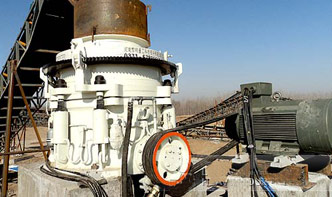
A Texas-based quarry upgraded to a 250 tph cone crusher, reducing downtime by 30% and achieving 20% higher yield. The ROI was realized within 18 months due to increased production and lower maintenance costs.
Selecting the right granite crusher involves balancing budget, production needs, and operational goals. Partnering with experienced suppliers and prioritizing after-sales support ensures long-term profitability in the aggregates industry.

