Iron Ore Beneficiation Plant: Technology and Applications in Aggregate Industry
The iron ore beneficiation process is critical for producing high-grade raw materials used in steel production and construction. In the broader context of the aggregate industry, similar principles of crushing, screening, and separation are applied to produce sand, gravel, and crushed stone for infrastructure projects.
Global demand for high-quality aggregates is driven by urbanization and infrastructure development. Iron ore beneficiation plants share synergies with aggregate processing, as both involve size reduction, classification, and material purification. Advanced crushing and screening equipment, such as jaw crushers, cone crushers, and vibrating screens, are common to both sectors.
1. Crushing: Primary and secondary crushers break down large rocks into smaller fragments. Gyratory and impact crushers are widely used in both iron ore and aggregate plants.
2. Screening: Vibrating screens separate particles by size, ensuring uniformity for downstream processing.
3. Washing & Classification: Hydrocyclones and log washers remove impurities, similar to iron ore beneficiation.
4. Magnetic Separation (for iron ore): While not applicable to aggregates, this step highlights the specialized nature of ore processing.
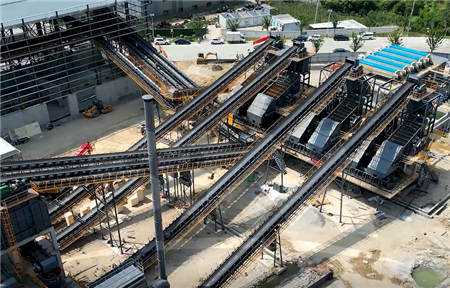
Q: Can aggregate crushing plants process iron ore?
A: While possible, iron ore requires additional beneficiation steps (e.g., magnetic separation) not needed for standard aggregates.
Q: What’s the typical output size for construction aggregates?
A: Ranges from 0-5mm (sand) to 20-40mm (coarse gravel), depending on application.
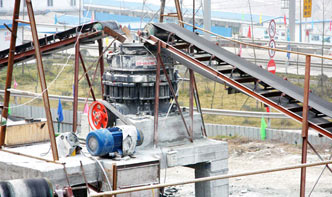
A project in Australia combined iron ore and aggregate production, sharing infrastructure like conveyors and power systems. This reduced capital costs by 15% while ensuring consistent material quality.
The overlap between iron ore beneficiation and aggregate processing underscores the importance of robust, adaptable equipment. Innovations in automation and sustainability continue to shape both industries, ensuring efficient resource utilization for global development needs.

