The Essential Guide to Stone Processing Machines in the Aggregates Industry
The aggregates industry plays a pivotal role in construction, infrastructure, and mining, supplying crushed stone, sand, and gravel for projects worldwide. At the heart of this sector are stone processing machines, which transform raw materials into high-quality aggregates efficiently and sustainably.
Rapid urbanization and infrastructure development have surged the demand for processed aggregates. Governments and private sectors invest heavily in roads, bridges, and buildings, driving the need for advanced crushing and screening equipment. Environmental regulations also push manufacturers to adopt energy-efficient and low-emission solutions.
1. Jaw Crushers – Primary crushing machines designed to handle large rocks with high compressive strength. Ideal for hard materials like granite and basalt.
2. Cone Crushers – Secondary or tertiary crushers offering fine crushing capabilities, producing uniform particle sizes for premium aggregates.
3. Impact Crushers – Versatile machines for soft to medium-hard stones, generating cubical-shaped end products, perfect for concrete and asphalt production.
4. VSI Crushers (Vertical Shaft Impactors) – Specialized for manufactured sand, producing finely graded material with optimal particle shape.
5. Vibrating Screens – Separate crushed materials into various sizes, ensuring precise grading for different applications.
6. Sand Washers – Remove impurities like clay and dust from sand, enhancing product quality for construction use.
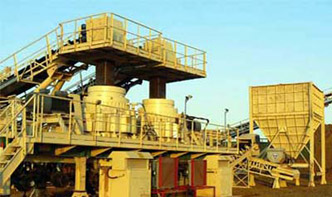
Q1: What’s the difference between fixed and mobile stone processing plants?
Fixed plants are ideal for large-scale, long-term projects, while mobile crushers offer flexibility for multiple sites.
Q2: How can I reduce dust emissions during crushing?
Use water spray systems, enclosed conveyors, or dust suppression units.
Q3: What maintenance practices prolong crusher life?
Regular lubrication, wear-part inspections, and timely replacement of liners/mantles prevent breakdowns.
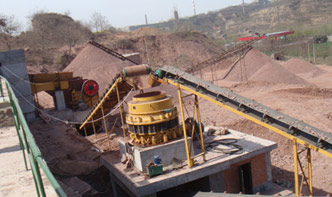
A quarry in Texas upgraded to a 300 TPH cone crusher + VSI sand-making system, increasing sand yield by 40% while reducing waste. The new setup also lowered energy consumption by 15% due to automated controls.
Investing in the right stone processing machinery ensures profitability, sustainability, and compliance in the aggregates sector. Advances in automation and eco-friendly designs continue to shape the industry, making it crucial to stay updated on the latest technologies.
(Word count within limit)

