Crushing and Grinding Equipment in Poland: A Comprehensive Overview
Poland’s construction and mining sectors are experiencing steady growth, driving demand for high-quality crushing and grinding machinery. The country’s robust infrastructure projects, including road construction and residential developments, rely heavily on processed aggregates like sand, gravel, and crushed stone. With strict environmental regulations and a focus on efficiency, Polish manufacturers and importers prioritize advanced crushing and grinding equipment to meet these demands.
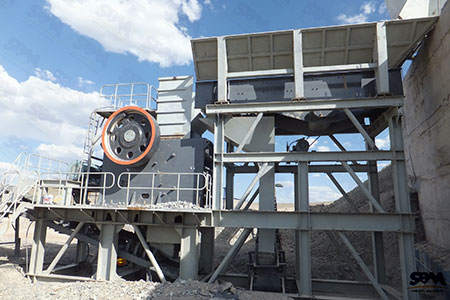
1. Jaw Crushers – Ideal for primary crushing, these machines handle hard and abrasive materials with high throughput. Popular models in Poland include those with hydraulic adjustment for quick settings changes.
2. Impact Crushers – Used for secondary or tertiary crushing, producing well-shaped aggregates for asphalt and concrete. Modern units feature adjustable rotor speeds for optimized output.
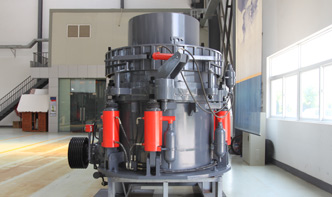
3. Cone Crushers – Suited for fine crushing, often deployed in quarrying and mining operations. Advanced models include automated control systems for consistent particle size.
4. Grinding Mills – Ball mills and vertical roller mills are common in mineral processing, ensuring fine grinding for industries like cement and ceramics.
Q: What are the most popular brands of crushers in Poland?
A: , , and Kleemann are widely used, alongside Polish manufacturers like Famur and KGHM Zanam.
Q: How do I choose between a jaw and cone crusher?
A: Jaw crushers are best for primary crushing of hard materials, while cone crushers excel in finer crushing stages.
Q: Are mobile crushers gaining popularity?
A: Yes, mobile units are increasingly favored for their flexibility in small to medium projects.
A local aggregate producer upgraded to a QJ341 jaw crusher, achieving a 20% increase in production while reducing fuel consumption by 15%. The mobile setup allowed rapid relocation between sites, optimizing resource utilization.
Poland’s crushing and grinding equipment market continues to evolve, driven by technological advancements and sustainability requirements. Investing in the right machinery—paired with strong local support—can significantly enhance operational efficiency and compliance.

