The Evolution of Crushing and Screening Equipment in the Aggregate Industry
The aggregate industry plays a pivotal role in global infrastructure development, supplying essential materials like sand, gravel, and crushed stone for construction, roads, and concrete production. Among the critical equipment in this sector, vibrating screens—such as the Boliden Allis vibrating deck—have long been integral to efficient material classification and processing.

With urbanization and infrastructure projects accelerating worldwide, the demand for high-quality aggregates has surged. Modern crushing and screening plants prioritize efficiency, durability, and sustainability. Vibrating screens, in particular, ensure precise particle separation, reducing waste and optimizing production.
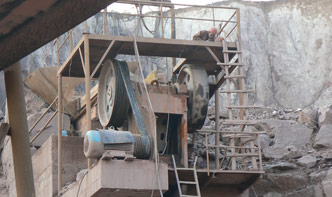
The Boliden Allis vibrating deck exemplifies robust design for heavy-duty applications. Key features include:
Q: How does a vibrating deck improve screening efficiency?
A: By generating controlled vibrations, it stratifies materials, ensuring finer particles pass through while oversized material is redirected for further crushing.
Q: What maintenance is required?
A: Regular inspection of springs, bearings, and deck panels minimizes downtime. Lubrication and tension checks are critical.
Q: Can it handle wet or sticky materials?
A: Yes, with proper screen media (e.g., polyurethane panels) and water spray systems to prevent clogging.
A quarry in Sweden upgraded to a Boliden Allis vibrating screen, achieving:
Automation and IoT integration are transforming screening equipment, enabling real-time monitoring and predictive maintenance. The legacy of reliable designs like the Boliden Allis vibrating deck continues to inspire innovations in sustainability and productivity.
For operators seeking longevity and performance in aggregate processing, investing in proven vibrating screen technology remains a cornerstone of success.