The Impact of Silica Sand Mining and the Role of Crushing Equipment in the Aggregate Industry
Industry Background
Silica sand mining is a critical activity for industries such as construction, glass manufacturing, and electronics. As a key component in concrete, asphalt, and industrial processes, high-purity silica sand is in high demand. However, uncontrolled mining can lead to environmental degradation, including habitat destruction and water pollution. To mitigate these effects, the aggregate industry relies on advanced crushing and sand-making equipment to optimize resource utilization while minimizing ecological disruption.
Core Products: Crushing and Sand-Making Equipment
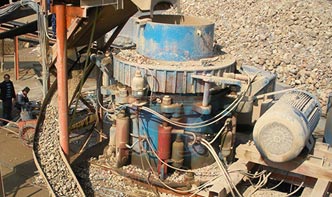
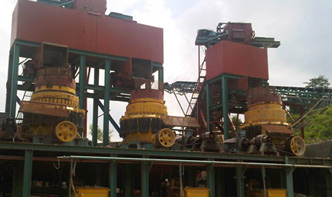
Modern crushing systems, such as jaw crushers, cone crushers, and vertical shaft impactors (VSI), are designed to process raw silica sand efficiently. These machines reduce oversized rocks into uniform aggregates while controlling dust and noise emissions. Key features include:
FAQ Section
1. How does silica sand mining affect local ecosystems?
Unregulated mining can disrupt groundwater levels and damage biodiversity. Proper site management and equipment like enclosed crushers help mitigate risks.
2. What equipment is best for producing high-quality silica sand?
VSI crushers and air classifiers are ideal for achieving precise particle size distribution and low impurity levels.
3. Are there alternatives to natural silica sand mining?
Recycled construction waste and manufactured sand (M-sand) from crushed rock offer sustainable alternatives.
Engineering Case Study
A quarry in Texas implemented a VSI crusher and wet processing plant to produce silica sand for fracking. By recycling 90% of process water and using dust covers, the project reduced water waste by 40% and achieved OSHA-compliant air quality standards.
Conclusion
Responsible silica sand mining hinges on advanced crushing technology and sustainable practices. The aggregate industry must balance productivity with environmental stewardship to ensure long-term resource availability.