The Role of Bins and Silos in Modern Batching Plants for Aggregate Production
The aggregate industry is the backbone of infrastructure development, providing essential materials like sand, gravel, and crushed stone for construction projects. Central to this process are batching plants, where precise mixing and storage of materials are critical. Among the key components of these plants are bins and silos, which ensure efficient material handling, storage, and batch consistency.
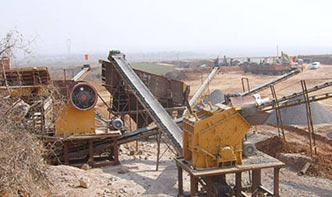
With rising demand for high-quality aggregates, modern batching plants must optimize material flow and minimize downtime. Bins and silos serve as temporary storage units for raw materials (e.g., sand, stone, cement) before they are weighed and mixed. Their design and functionality directly impact production efficiency, dust control, and material segregation.
1. Material Storage: Silos typically store bulk powders like cement or fly ash, while bins hold coarse aggregates. Both are designed to prevent moisture absorption and contamination.
2. Batch Accuracy: Precise volumetric or gravimetric feeding systems ensure consistent mix proportions.
3. Dust Control: Enclosed designs with dust filters (e.g., pulse-jet systems) comply with environmental regulations.
4. Flow Optimization: Hopper angles, vibrators, and air cannons prevent material bridging or clogging.
Q: How do you prevent material segregation in bins?
A: Proper hopper design (e.g., steep angles) and controlled discharge rates minimize particle separation.
Q: What maintenance do silos require?
A: Regular inspection of filters, relief valves, and internal surfaces to prevent buildup or corrosion.
Q: Can bins handle wet aggregates?
A: Yes, but moisture-resistant coatings and drainage systems are recommended to avoid clogging.
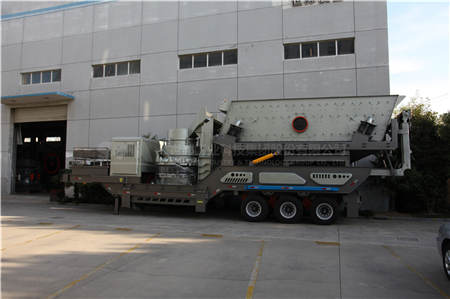
A quarry in Texas upgraded its batching plant with custom-designed silos for limestone storage. By implementing automated weighing and aerated discharge systems, the plant reduced batch time by 15% and eliminated material waste due to uneven flow.
Bins and silos are indispensable in aggregate batching plants, ensuring operational efficiency and product quality. Innovations in material handling and storage continue to drive the industry toward smarter, more sustainable solutions. Proper selection and maintenance of these components are vital for long-term productivity.

